


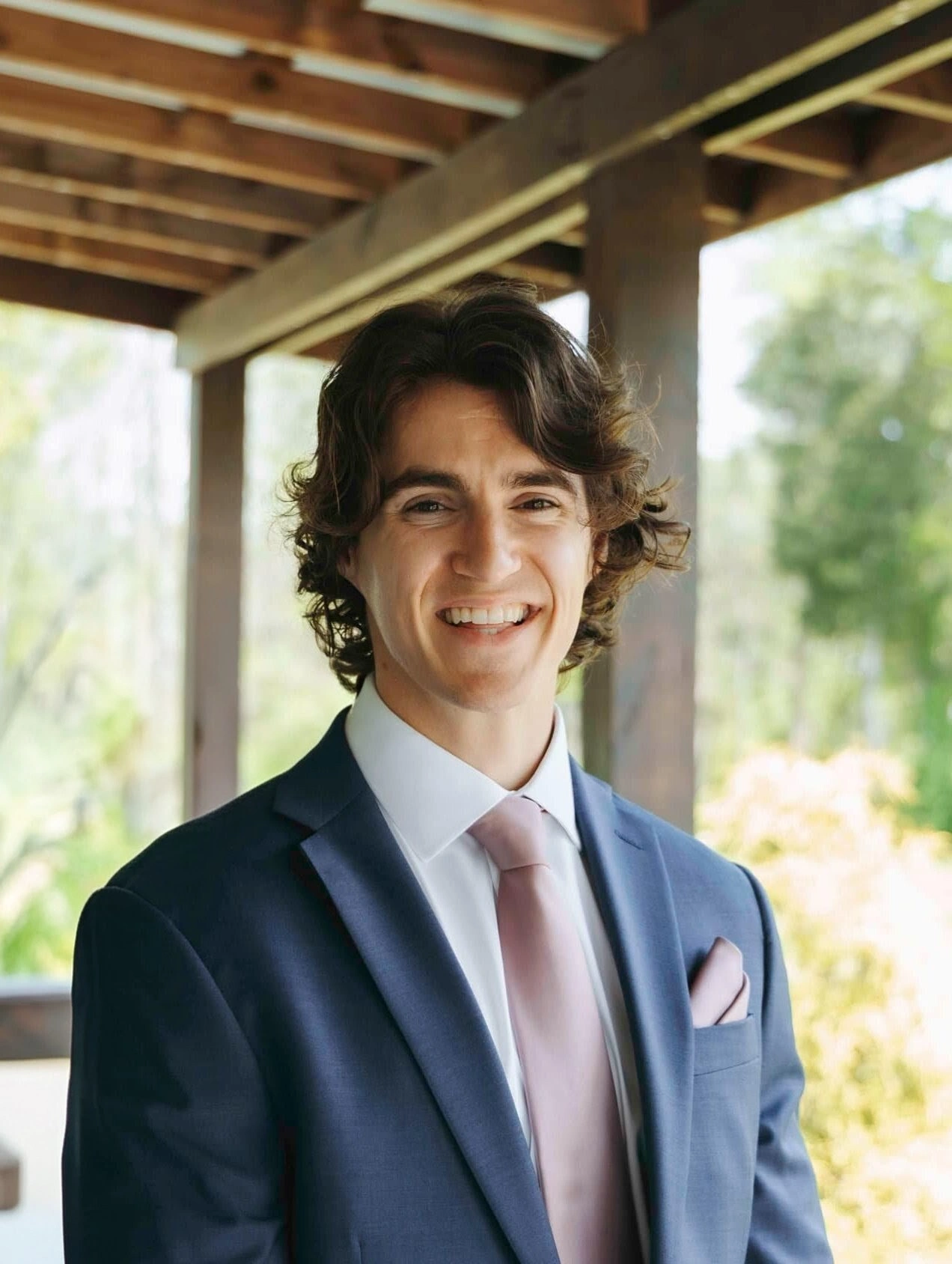
Spotlight Series topic: SHK- 041: Meet Dr. Joseph Procopio- The Story Behind The Therapist
Guest Name: Dr. Joseph Procopio
Guest Credentials: PT, DPT
Discussion Details: In this episode of the Spotlight Series, we sit down with Joseph Procopio, PT, DPT, to explore the personal experiences that shaped his path into physical therapy and the philosophy he brings into patient care today.
Joseph shares his own journey through a significant back injury, including being told he may need spine surgery, and the turning point that ultimately led him to recover through conservative treatment. That experience not only changed his health trajectory — it completely redirected his career path from engineering into physical therapy.
Topics discussed include:
- Joseph’s personal injury story and recovery journey
- The moment that shifted his perspective toward physical therapy
- Why he believes every patient requires an individualized approach
- Matching the energy and personality of the patient to create better connection and outcomes
- The importance of treating the whole person, not just the symptoms
- The blend of biomechanics, movement, environment, and human connection in recovery
- His perspective on the biopsychosocial approach to treatment
- Meaningful patient experiences that shaped him early in his career
- What patients can expect during an initial evaluation and first treatment session
- His goals for helping patients feel heard, understood, and hopeful from day one
Whether you’re a current patient, considering physical therapy, or simply interested in the people behind, this episode offers an authentic and thoughtful look into Joseph’s story, philosophy, and passion for helping others heal.
Address of guest’s business: Simply Physio
Dr. Joseph Procopio: Dr. Joe, thanks John-Mark.
Dr. John-Mark Chesney: Yeah man, um excited to have you and just to hear more of uh your story too and share that with um our listeners. Uh so I love to start uh I love I love to start off on is um take us back uh as far as um before you became a therapist, but but what really drew you to the field? Was there a certain situation or circumstance um or story that really initiated that um that desire to uh to go towards physical therapy as as a profession?
Dr. Joseph Procopio: Yeah, for sure. Um when I was a sophomore in undergrad, then I developed like pretty debilitating back pain. Um, for the listeners that don’t know what like lumbar ridiculopathy is, is basically you have discs in your spine that sometimes get irritated. Um, and sometimes those irritate the nerves that run down your legs. And I had really bad nerve pain for about like uh year and a half, two years um that I was trying to manage through chiropractors, through PTs. Um, and some were good, some were really bad, some were very unfocused, some were um not very confident in their treatment plan, some didn’t ask the right questions to figure out what I was doing in my free time, what I was doing in my training, uh, that was actually creating or making my problem worse. Um, and so through that process, um, I finally got some good PTs and some good chiropractors to help me fix my problems, um, and get me back to playing high level sports like volleyball and basketball and lifting, um, heavy weights. Um, which I love. It just gives me so much joy. Um, and when I can’t do that, then I don’t feel like myself. So, um, they got me back to that. So, through that, sorry, through that, then I just like resolved myself. I was like, “Hey, right now or I was in material science engineering. I’m like, I think I could be doing something more important.” Um, so I switched on to the PT track and I was like, when I become a PT, I’m going to be someone that can help people that help people solve their problems a lot quicker and be more confident. Um, and instill more confidence in them that problems are temporary. Um, and usually PTs, usually conservative management have has good options. Yep.
Dr. John-Mark Chesney: Uh so so yeah so originally you were an engineering major right?
Dr. Joseph Procopio: Yeah material science engineering.
Dr. John-Mark Chesney: Okay. Um so I see some similar sim similarities between the two um as I mean there obviously some um some differences but overall you know the human body is a mechanism that functions based on force and levers and um angles. um uh did that help that transition like for you a little bit of I mean um uh obviously they’re very different though too. What was um you know with your own experience were there any other things that made you really say no this is going to be a better fit for me?
Dr. Joseph Procopio: Yeah, I think having the personal relationship with patients, um I think I recognized pretty early on that that was valuable to me that making an impact on somebody that’s right in front of me. Um that somebody that needs help, needs time, care, and attention. Um that is just intrinsically valuable to me. It makes me makes me feel good when I could help people. Um but then also like I do miss some of the more analytical stuff in in engineering. um PT um I thought was very analytical but um not nearly as analytical compared to engineering and so sometimes sometimes I miss that. Um so when I do have a patient that has like a very unique like uh biomechanical issue um and they have trouble doing certain things in their sport performance or certain stuff in their day-to-day work tasks and I could problem solve that with them. um like say if they do like manual labor then I’ve helped some people that were doing that was doing work conditioning that they were doing things a little bit wrong um and when you do that 200 300 times um in a couple hours then that really adds up um and so if I’m able to speak into that help problem solve with them um to do a task a little bit better a little bit more efficiently a little easier on a certain joint um then it gives me a little bit of that um analytical side that that biomechanist.
Dr. John-Mark Chesney: Yeah. Yep.
Dr. Joseph Procopio: I love my biomechanics course. Um not just because it was taught by an amazing professor, but um because it’s just it’s just intrinsically interesting to me. I like that stuff.
Dr. John-Mark Chesney: I think some of the most fun things about physical therapy is um it is a blend of um science and art. Um but it’s also can be the most frustrating part too, right? because sometimes it doesn’t make sense, right? Um when you’re dealing with the human body and there’s more to it than just forces and and lovers and and strain and stress, you know, because you’re dealing with an individual with uh emotions and feelings and past experience. Um layers onto that a level of complexity.
Dr. Joseph Procopio: Oh, for sure. I mean, that’s like that’s most of the job. It’s just uh I feel like at least for me then the analytical side is is pretty is pretty simple like solving solving the biomechanical or um like whatever inflammatory state that a patient is in um getting them out of that. Um I think making sure that people have their have their motivations being met or have their motivations being like played to. Um, and then understanding like what makes them tick. Then like that’s really the beauty of like keeping a patient in the clinic, keeping them happy, making sure that they follow through on their plan of care and not and not have them dip out once when they get a little bit of confidence back, but then they’re struggling in two weeks at home when they have their first flare up. Like um all of that then I think like that’s the that’s the art side of it that I find I find really really nice to engage with.
Dr. John-Mark Chesney: Yeah. Um, and that’s cool having a, you know, obviously your own personal um, injury, you know, a a rather um, serious one, if you will. Like I believe, correct me if I’m wrong, was with with your own injury, wasn’t at some point like surgery was discussed on some level.
Dr. Joseph Procopio: Yeah, I was thinking of surgery. I was thinking of s Well, I I don’t know about thinking of surgery, but getting pushed towards surgery a couple times um, by different different PTs by a orthos surgeon back home. Um or home home is northern Illinois for me. Um but um I just stuck to my guns. I was like no way this problem is that severe that I need surgery and like I I trust that my body can heal and I was young. I was 20 years old. Um and eventually it did heal with with the right type of care.
Dr. John-Mark Chesney: Yeah. Do you having that home your own personal experience with that? I’m interested in uh how that maybe influenced you as a therapist in treating patients.
Dr. Joseph Procopio: Yeah, it I mean it influenced me in a huge way like understanding that the modern American medical system is very flawed. um that there are certain incentives to push people towards surgery um or just to give in to people’s desire to have quick solutions. And I’m I’m at fault with that too. Like I love my quick solutions like um but understanding in the long term that generally conservative management outperforms any type of any type of non-conservative management. So like whether that be surgery, injections, um ablations, like all of those things, they they don’t really address the root issue of what’s going on. And that’s that’s part of the beauty of physical therapy as well is that like we get down to the nitty-gritty parts of your of your life, of your day-to-day routine that really only a physical therapist um can get down to because we can spend expend extended time with patients to figure out those small things that are impacting that are impacting their injury that are actually causing their injury.
Dr. John-Mark Chesney: Yeah. Was there any kind of key moment in your care that was kind of the turning point or was would you say it was a little bit more gradual slowly over time?
Dr. Joseph Procopio: It was it was mainly when my PT and chiropractor told me that like I needed to remove all types of all types of lifting for like a significant amount of time. Like I I tried to like back down my lifting because I was asymptomatic during my lifts and for like a couple hours after. Um, and so a lot of my PTs and chiropractors were like, “Oh, if it makes you feel good, then you could keep doing it.” And then I finally got someone to to record my squat, record my deadlift, and they looked at the left side of my lower back and they were like, “Yeah, you are rotating at the bottom of your lift. You were hyperextending and then going into flexion.” Um, so my back was Yeah, it wasn’t doing the right things to be to be stable. Um, and and my spine was very unstable at the bottom of my lifts. Um, and all it took was somebody just to get a recording of it. Um, to go the extra mile and be like, “Hey, like you seem to know what you’re doing as athlete, but I didn’t really. I had I had a lot more confidence in what I thought I was doing than what I was actually doing.” Um, yeah, that’s all it took. And after a period of like six months, my my symptoms got less and less and less, and I finally got those nerves to to calm down.
Dr. John-Mark Chesney: Yeah. I mean, that’s awesome. I mean, I think uh with a lot of people, you know, it’s sometimes conditions can feel very complicated. Um and sometimes we have a way of maybe over complicating. Sometimes they can be very complicated, you know. Um but, um often times we find a way to make them more complicated than what they need to be. Um and it and it’s like you said, sometimes it’s just kind of going that extra mile of somebody kind of pushing in. It’s like, hey, let’s consider this. let’s uh let’s let’s kind of let’s not overlook this piece, you know.
Dr. Joseph Procopio: So, yeah, that’s very that’s very true. I think a lot of people then they they kind of go over the lowest hanging fruit and they they don’t do the easy stuff. Well, and I mean that’s what I try to get my patients to do like kind of on day one is like what are you doing that is hurting you that is super easy to figure out? And like if you’re reading in a certain position or if you walk for like an hour and it’s making your knee hurt, then I’m like, maybe we should pull down the walking just for a little bit. Just for a little bit. Um and then and then figure out, oh, what aren’t you doing that you should be doing? Or somebody’s sitting on the couch for prolonged periods of time with their knees bent and then they have trouble straightening out their knee. I’m like, maybe we need to work on that.
Dr. John-Mark Chesney: Yeah. Um well, awesome. Thanks for uh sharing Dr. Joseph with um kind of a little shift here. I’d love to for you to consider uh kind of your beginning your career kind of those first few months or even with the first year. Is there anything that you maybe believed as um as you know very young clinician that you think differently about now having you know gained some years of experience?
Dr. Joseph Procopio: I mean surgeons might not want me to say this but uh surgical protocols um I think I was taught very much follow a surgeon’s protocols as a new grad um and then now like I recognize like ah if somebody’s behind in a certain area then then that’s that’s okay like you just got to work with them you just got to manage their pain levels make sure that they’re working hard at home and that they’re staying on task um yeah I think appreciating like individual nuance of a patient, whether they’re surgical or non-surgical. Um, I think that that’s uh that’s something that I appreciate more and more is that everyone is truly is truly unique. Yep. And has different motivations um and they have a different backstory and like going into that being curious. Um I think everyone appreciates like curiosity. I think a lot of PTs get a little nervous when their curiosity is met with like either anxiety or indifference. Um, but I recognize the more that you push into that and then maybe give something of yourself, maybe give a personal story, something hard that’s going on or maybe if someone’s dealing with like loneliness or the boredom of life, then like um then like sharing those times when you’re lonely or bored. Um, and like just being able to form that bridge that gets somebody past their own anxieties, their own fears to show a little bit of part of themsel because um I think in today’s modern culture like that’s something that a lot of people are scared of um because we’re so disconnected um but it just takes a little bit of courage and a little bit of persistence to to make a stronger connection.
Dr. John-Mark Chesney: Yeah. Um well, was there a um a patient uh maybe early in your career that really changed you or stuck with you emotionally because of maybe the impact you had on them or they had on you?
Dr. Joseph Procopio: Yeah, I would say a couple. There’s a Are you familiar with functional neurological disorder?
Dr. John-Mark Chesney: Um a certain type FND. Okay, you can explain it to our listeners here.
Dr. Joseph Procopio: So basically it’s it’s a learned response in somebody’s brain to physically like shut down the nerves in in their body. And so like some people can appear as as paralyzed. Um and it it’s not just in their head. It’s it’s kind of like a temporary paralysis. And I worked with this one lady. came in in a wheelchair and we started off doing just electrical stimulation for for her legs. Um, and by the end of her care like 4 months later, then she was running in the parking lot and playing catching games. Um, and a lot of it had to do with like just continual encouragement um getting her out of her head um and out of the trauma that she’s developed. So, uh, another little backstory on FND is that, um, like psychological trauma is very much intertwined with the with that diagnosis. Um, a lot of FND patients have significant amount of abuse. Um, and so you have to be very sensitive with the things that you ask them to do. Um, the ways that you want to push them. Um, and if you’re not sensitive, then they can regress. Um, and they can regress very quickly. Um, and then those patients typically tend to leave and then that just confirms the bias in their head that PT isn’t for me, that doctors can’t help, that this is this is something that’s going to plague me forever. And so, um, I’ve seen just a handful of those patients in the past um, when I worked up in Oakidge. Um, but those ones are are really uh really valuable to work with because it stresses your ability to be patient and to think creatively um and to be overly caring and attentive um because that’s what that person needs um at the time.
Dr. John-Mark Chesney: Yeah. Um yeah. Was that a certain diagnosis that was made before you’re starting the care or uh because that’s you know not a a common health I mean that’s not something I’m aware of as a physical therapist or seen before. So it’s not something real common.
Dr. Joseph Procopio: It was you probably heard it under a different diagnosis code. Um I I forget the I forget the code or the name that they used to put it under but now it’s called FND. Um and I could I could look it up later. I don’t remember their it they weren’t referred for for FND. I think they referred for leg weakness for like okay bilateral leg weakness um because she had no stroke. She had no like um inciting event. Um it it just developed it just developed over time and she was young. She was okay. Yeah. She was in her like late mid I would say like mid30s.
Dr. John-Mark Chesney: Um, so it sounds like that was something that you um picked up on and connected the dots there. Yeah. Yeah.
Dr. Joseph Procopio: Yeah. And then I I was able to speak with her neurologist and her neurologist didn’t get back for a time and then and then um they did. Um but we didn’t we didn’t have very many extensive conversations about it. It was more so just like yeah, treat the patient how how you think she should be treated.
Dr. John-Mark Chesney: Yeah. Okay.
Dr. Joseph Procopio: Yeah. Especially if she’s getting better and like that’s all the neurologists cared about was like is is she getting better.
Dr. John-Mark Chesney: Yeah. I’m sure the patients to some extent too, right? And us as well. We want people to get better. It’s you know it’s nice when we know why and how they got better but sometimes sometimes people just get better. Um well um yeah any other stories you’d like to share kind of success stories or you know a patient kind of journey that really overcome something substantial.
Dr. Joseph Procopio: There’s this uh patient that I had again up in Oakidge where I think I had her for three different um three different injuries over like a period of like a year and a half. like it was she was pretty much one of my first patients ever as like a paid clinician, as somebody that’s actually working a real job. Um, and then she was one of my last patients there as well. And three episodes of care and like I think our relationship got better with each with each episode of care. Like it got deeper, more full. Like she was sharing more personal things, I was sharing more personal things and like um and we were just like having a great time and solving her problems. Um, uh, I think she started off getting treated for her hip and low back and then she had a shoulder thing. Um, and then she finished with, um, some like pretty bad like planner fasciosis.
Dr. John-Mark Chesney: Um, okay.
Dr. Joseph Procopio: She’d been developing after like a series of trips that she went on where she overextended herself and then she rested, got off her feet, and then overextended herself again. Um, and so through that period of time, like she’d always been broaching the concept of her weight. Um, and that’s something that’s like very sensitive for a lot of people and a lot of medical providers don’t talk about it very well. Um, and they don’t give the time and attention for the patient to lead the conversation. Um, and that’s something where I think I was very proud of myself as an early clinic clinician and somebody that’s passionate about like diet um, and overall holistic care of patients that I was able to take a step back and always allow her to lead that conversation. And by the end, then we were h able to have like very good and productive conversations about how to manage her diet um that she’d been struggling with for about like 3 months. Um, and she was making progress and then she was relapsing and going towards foods that she had really bad cravings for. And then so I was just able to give her some coaching on that and point her towards some foods that are like, “Hey, if you’re craving very salty foods, then here are some healthy salty options.” Um, and then if you’re craving very fatty foods, here are some maybe some fatty options um that that are good fats like like avocados, like like olive oil. Um, and you could put that in your food and add that. And obviously under the scope of my practice because I can’t make too many very specific recommendations, but just these small things here and there that were able to curb her like really bad periods of like hunger pains um and cravings and get her a little bit more successful in her diet as well as just giving her like general support in that time because dieting is terrible. Dieting dieting sucks. Um, I uh I had a bodybuilding competition two two years ago that I was prepping for and I was dieting super hard for 12 weeks and then the last 8 weeks was pretty much like just systematic starvation. Like it it just dwindling down the calories, keeping proteins high until at the end then you’re basically eating chicken and some broccoli and uh maybe a little half cup of fruit as a as a treat. Um and so like I was able to relate to on that level. um where like you you’re just taste change like you hear or you um you smell like bread cooking or like bread getting toasted and you’re like wow that it smells amazing and you want to go eat like a whole loaf of bread and like most people they just don’t understand those cravings. Um, but in until you’re in that state where like you’re you’re combating all the all the desires that you used to have with your eating habits with something that’s new, then that’s really the only time that you’re going to be able to relate to somebody like that is where you’re super super super hungry for for an extended period of time.
Dr. John-Mark Chesney: Sure. Well, yeah, thank you for sharing, Dr. Joseph. I think um just as our conversation has gone through this interview, it’s interesting just how kind of the scope that of examples that you’ve even brought up and I think that’s a testament to your treatment style in that whether it be your you know your initial kind of biomechanist type of upgra um upbringing um and kind of engineer you know mind you know to the um something that’s um that’s like like diet or even just that connection, that relational kind of piece, you know, with people of recognizing that there’s a lot that goes into each individual case. And and you know, as we were talking about recording this podcast, you know, um you were talking about just how you enjoy treating a wide scope of patients, you know, from u you know, a high level athlete from some of your, you know, background as being an athlete to, you know, somebody who’s, you know, not in that category. and that you you’re able to really adjust your thinking and your strategy and your plan um to that individual. And I think that’s something that takes a lot of um uh a lot of maturity to be able to do well um that your patients really, you know, value from you. Um but um but yeah and what I mean one term that um it’s probably not well known in just the general public but a term that’s thrown out in kind of the medical community is a biocschosocial approach right and so just for our listeners so that’s you know it’s really three terms three words into one so the biology the psychology and the social impact but would you say that’s kind of how you view a lot of your treatment is some kind of hodgepodge of that appreciation
Dr. Joseph Procopio: Yeah, for sure. I mean, there’s different clever ways of saying it. There’s like holistic models, um, like appreciating the mind, body, and spirit. Um, like, yeah, you can you can say it a bunch of different ways. Um, but if you’re not if you’re not like looking into the social things, maybe some of the mental health things that are going on with your patients as a physical therapist, like that’s why they made the decision or that’s partially why they made the decision to convert to a doctor of physical therapy. increase the degree requirements is because there are a lot of technical things but then also a lot of personal things that you need to be managing as a good physical therapist because it’s not just all about that knee pain. There’s there’s a reason why somebody won’t do the things that they know are good for them because a lot of patients know what’s good for them. Um they’re not they’re not dumb. They they they just have complicated lives and complicated motivations as well as complicated backtories. And so you need to understand that biocschosocial model. You need to understand that you’re treating a whole person that you’re you’re treating a real person that’s in front of you. You’re not treating a diagnosis. Um and uh you have to pay attention to those individual needs.
Dr. John-Mark Chesney: Yeah. Well, this kind of segus well into the next segment I like to ask. And let’s, you know, consider somebody’s listening to this podcast who, um, is, you know, wanting to come in and potentially work with a therapist or work with you. And, you know, that first appointment, uh, what we call evaluation, you know, patients can bring in a lot of different emotions, a lot of different expectations. you know, maybe they’ve had PT bit before, maybe they’re unsure if it’s going to help, maybe they’re a little bit doubtful, maybe they’re hopeful, but you know, there’s a lot of kind of potential angst or uncertainty to like what it’s going to be like. So, I’d love for you to take our listeners through like how you approach an evaluation in consideration of that with our patients.
Dr. Joseph Procopio: That’s a good question. I feel like uh just as a broad like purpose for my for my evaluations, I want to understand what’s going wrong in their life. So what are they doing that’s hurting them? What are they not doing that can help them or that would be helping them? Um so things that you need to be taking away and things that you need to be asking patients to do on a regular basis. So that’s usually a home exercise program. And if you have a starting foundation with that is removing irritants and giving some some simple exercises, some simple stretches that will help the patient, that’s good. And then moving away from the technical, just understanding who they are, understanding how you’re going to relate to them, trying to build rapport, just trying to cut it up, have some good conversations, see if they’re more family oriented person. They want to talk about travel. They want to talk about the books that they read. um see what they see what they like to talk about because that’s a big part of PT is like exercising isn’t the most fun for a lot of people and so you got to find things to do that uh that distracts you from it and and keeps you happy. Um yeah, I I think those are the two main things.
Dr. John-Mark Chesney: Yeah. What are you hoping that a patient leaves with um kind of you know when they’re finished with that first evaluation?
Dr. Joseph Procopio: Yeah. Um, I think part of it also is breaking down a little bit of the barriers. I think some people have a little bit more of a mask that they put up, kind of like a persona. Um, and so seeing if my patient is comfortable leaving that mask up, um, then that’s okay. Like we could we could be a little bit more false in our interactions, be a little bit more superficial. If that’s what they’re comfortable with, but I try to get a peel that bath peel that mask back a little bit and try to see the real person underneath. Um, as well as give them a real look at myself. Um, and just try to try to match energies. I know that that’s like a Gen Z term, but I think it’s very good.
Dr. John-Mark Chesney: I don’t think so.
Dr. Joseph Procopio: Like whatever energy the patient comes in with, whether they’re whether they’re sad, they’re brooding, they’re they’re very formal, they they think that this is a business interaction, um, and they just want their problem solved, then then that’s okay. um if they if they want to cut it up, if they want to if they want to talk about family, if they have a ton of important things that they need to get off their mind before they start talking about their symptoms, then I just need to shut my mouth and I and I need to listen for about 20 minutes.
Dr. John-Mark Chesney: Yeah.
Dr. Joseph Procopio: Um and then we could start talking about things that that can help them get better. Um yeah, just just matching the energy of the patient is is huge.
Dr. John-Mark Chesney: Yeah, I think that’s a great
Dr. Joseph Procopio: So are you that was a little bit off off of your original question. Your original question was what can they leave with? I would say like an understanding an understanding of who I am and and ways that I could and ways that I could connect with them and then also a good confidence that I can that I can help them solve their problem because I’m not going to solve their problem. I’m just guiding them towards that.
Dr. John-Mark Chesney: Yeah. Yeah. And that’s, you know, what we want with every, you know, patient is that, um, that they’ve in some way, you know, they’ve learned something on evaluation and that, you know, we put together, uh, a path forward for for them, right? And obviously with each patient, that’s going to be very different, like you said, matching that energy. Um, I love um kind of that type of uh term or um kind of idea if you will, right, of of recognizing that every patient’s different and every patient’s needs different uh needs are different and um that we want to be able to, you know, help the most people knowing that their differences will impact how we treat them, right? and that we don’t want to force them into just a kind of a you have to conform to you know to my plan.
Dr. Joseph Procopio: Exactly.
Dr. John-Mark Chesney: But I can adjust you know as far as how we commence this plan so that way it fits with who you are is what I’m hearing from you.
Dr. Joseph Procopio: No, that’s that’s exactly right. Um sorry I was getting a little feedback with the mic for for the last little bit.
Dr. John-Mark Chesney: Okay. Well, this always good to agree.
Dr. Joseph Procopio: Just Yeah. I like be like, “Yes, very good. That was a very insightful. You just nailed it.” That that’s generally how I treat my bosses all the time. That’s right. I’m just like, “Yes, of course. Whatever you say, please don’t fire me.”
Dr. John-Mark Chesney: Um well, if we um shift just a little bit as we start kind of wrapping up this episode, is there anything that um you would want people um to know about you maybe kind of outside of here, you know, things that you enjoy doing or um you know, beyond being a physical therapist?
Dr. Joseph Procopio: Um J, you know, that list is too long. That list is too long. Um I uh yeah, I love playing soccer and and volleyball and tennis. Um, I picked up dancing recently, so I do a lot of Latin dancing. Um, yeah, I like to write poetry in the evenings just to calm down. Uh, I’m not an avid reader anymore just because I have a lot of active hobbies and passions. Um, but I do like to read. Um, largely like fantasy adventure. So, if you’ve heard of like Brandon Sanderson, he’s one of my favorite authors. Or James Eington. Um, okay. He wrote the or he’s writing the the Hierarchy trilogy. I’m writing that. very nerdy, super long books. Um, but uh that’s that’s my jam uh if I have time to read.
Dr. John-Mark Chesney: Um, and then I have a few last questions. So, if a patient was listening to this and maybe they’re a little bit on the fence of like, I know I I know what I’m doing. I probably need some help, but I’m just not quite sure if I should get started. What What would you maybe a little nervous or apprehensive about, you know, making that step forward? What would what would you say to them?
Dr. Joseph Procopio: I mean, is are you currently solving your problems? Like, is your problem getting better? Um, if you can’t do it, then you’re going to need to outsource some help. So, yeah, we’re we’re generally the best source of help. Like, American Medical Association PT is generally a first-line treatment for a lot of different injuries, a lot of different problems. Um, and so there’s a reason why doctors are abiding by the PT first movement. Um, and because it’s generally low cost, it doesn’t take up much of your time. Like we’ll we’ll take up four to six weeks. Um, if if we’re not helping you within four to six weeks, then generally we’ll be like, “Okay, we got to do we got to try something else.” Um, and so all you can do is try.
Dr. John-Mark Chesney: Yeah.
Dr. Joseph Procopio: All you can do is try. And if we don’t if we don’t help you, then then we’ll we’ll try to find somebody that can.
Dr. John-Mark Chesney: Yeah. And I think um I was kind of reminded him of a phrase. It it takes strength to recognize a weakness, right? And sometimes um the strongest people can say, you know, admit is like, man, I’m going to need some help with this. like like you said, if it’s not getting better and you know you’re what you’re doing isn’t helping, then you probably need to pull in uh some sort of support system, some uh some expert that uh that deals with what you’re dealing with to give you some some guidance, some support, some help to help you get to the place where you want to go.
Dr. Joseph Procopio: Oh, yeah.
Dr. John-Mark Chesney: Um so um so I like to end um with uh three questions. Um one is if you um so the name of this podcast is stay healthy in Knoxville. So if you had one tip recommendation for people to stay healthy, what would it be?
Dr. Joseph Procopio: Oh, easy one. Go for a walk. Go for a walk. Go for a nice morning walk.
Dr. John-Mark Chesney: Perfect. Uh now I know uh you haven’t been in um Knoxville. You didn’t grow up in Knoxville, so you haven’t been here long, but you’ve still you get out and about and you like to explore. Um so these last ones are just helping to people to connect with our surroundings. So uh first of all, what’s the favorite restaurant that you have? Local restaurant.
Dr. Joseph Procopio: Oh, that’s a bad one. I I don’t I don’t go out and eat much. I’ve I’ve heard good things about Amelia’s. Um so I’m Italian Irish. Um, and I haven’t been there, but I’ve heard very good things about Amelia’s and I plan to go there soon. Um, local one, I mean, it’s not local. I also worked at Culver’s growing up. Um, so I I’m always going to plug Culver’s. It’s the best. They have the best ice cream. They have the best frozen custard. Um, I went to Tennessee Tap House. I went to Tennessee Tap House with my family and they have some good live music there. Um, okay. It was good food, too.
Dr. John-Mark Chesney: Yeah. Nice. All right. So, um, next question is, what’s one of your favorite spots to visit around Knoxville, if you just you have some free time and want to get outside, um,
Dr. Joseph Procopio: if you’re over in Farragate, like the west end of of town, um, then the Cove is really nice. Uh, really pretty park, great. Uh, they have some volleyball courts there. They have a nice little playground for the kids. Um, yeah, they they have a huge walking path um that you could walk around near the water. It’s really pretty. Um yeah.
Dr. John-Mark Chesney: Okay. Um and then the last one is this is something that you haven’t done. Maybe kind of like a bucket list item somewhat local. Doesn’t have to be right here in Knoxville. It could be Greater East Tennessee. Some sort of event or place that you want to go that you haven’t been to yet.
Dr. Joseph Procopio: Oh, last year I was supposed to go to Bonnaroo um with one of my buddies and uh we were scheduled to go for the last day, the the Hoser day. Um he’s one of my favorite artists. Um and uh and it got rained out. I think it got rained out after like a day and a half. Um there’s just crazy floods in in Middle Tennessee. So um the I don’t know I don’t know when they’re having it this year. Um but I might I might check that out this summer. That would be super fun to go to.
Dr. John-Mark Chesney: Might be coming up soon. Check it out soon.
Dr. Joseph Procopio: Yeah, the tickets are crazy. The tickets are crazy expensive, too. So, but I I want to go to some more outdoor music. That Yeah, that’s a more general answer.
Dr. John-Mark Chesney: Yeah, there’s some great spots. I mean, um I know I can’t remember does Marcus Square still do um their kind of music.
Dr. Joseph Procopio: Yeah. Okay. They set up for a long time.
Dr. John-Mark Chesney: Yeah, they do that. Um there’s a lot of opportunities for, you know, just uh I know, you know, Fairg has has a few times over um in um in the park, Founders Park, and um spots around town. I think IMS will do some music, some fun music outdoors and things like that. So, so awesome. Well, um, thank you for sharing, Dr. Joseph. We appreciate, uh, you giving us a glimpse into kind of your backstory, you know, what makes you tick, uh, how you, you know, work with patients so patients have a better appreciation of what it’ be like uh, working with you. If um, you know, if you’re watching this and you know, you really have connected with this podcast with Dr. Joseph, uh, feel free to visit our website. uh simply pt.com. Uh you can request an appointment and you could request to get on uh Dr. Joseph’s um schedule for an evaluation. So uh thank you guys for listening. We appreciate our community. Uh and stay healthy, Knoxville.
Dr. Joseph Procopio: Oh yeah, stay healthy. All right, see you.