


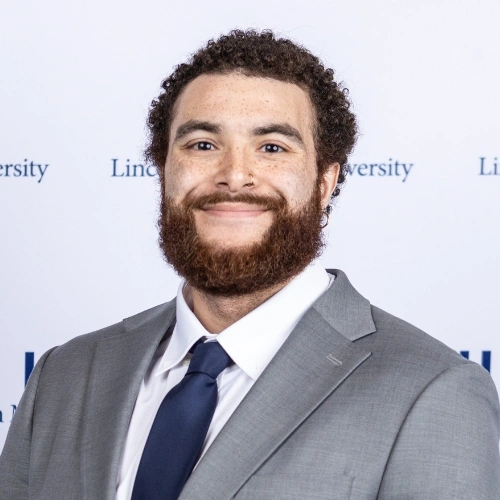
Guest Name: Dr. Caleb White
Guest Credentials: PT, DPT, Cert-VC
Discussion Details: Benefit of Watching: In this episode of the Spotlight Series, we sit down with Caleb White, PT, DPT, to learn more about his journey into physical therapy, the experiences that shaped him as a clinician, and the philosophy he brings into patient care every day.
Topics discussed include:
- How Caleb first became interested in physical therapy
- Lessons and experiences from early in his career
- What patients can expect during their first visit
- Caleb’s overall treatment philosophy and approach to care
- Building trust, confidence, and meaningful relationships with patients
- Advanced training interests including dry needling, vestibular therapy, concussion care, and instrument-assisted soft tissue techniques
- Encouragement for people navigating pain, dizziness, injury, or recovery
Whether you’re a current patient, considering physical therapy, or simply want to learn more about the people behind Simply Physio, this episode offers a personal look into Caleb’s story and approach to helping others heal and move forward.
Dr. Caleb White: Thanks for having me. It’s a pleasure to be here.
Dr. John-Mark Chesney: Yeah. And uh you know the goal with this is that people can understand a little bit more kind of behind the scenes if they want to know who Dr. Caleb is and what makes you tick and some of your background history. So u as we get started here, you know, as far as taking us back, I’m interested in um I know obviously you’re a physical therapist. Was there something that you um thought you might be doing instead of physical therapy before getting into physical therapy? Did you have another
Dr. Caleb White: Great question. Yeah, I um you know I kind of growing up I always wanted to be some kind of a doctor or something in the medical field um just because my uh mom so uh she’s like a medical laboratory scientist and so they are someone that works like in a hospital that does any of your lab work. So if you get blood done, urine samples done, um things like that, she’s the one that kind of does that. Um, so I kind of was shifting towards that at first because of what she does, but she works nights. And so I was like, ah, I kind of like sports. I want to get into something maybe a little bit more active. And, um, she kind of guided me into seeking out physical therapy. Um, so I kind of shifted from working more in the back towards more in the front with some, you know, more of the people to kind of get a good interaction uh, with the people and build relationships, that kind of stuff.
Dr. John-Mark Chesney: Um and then as you started leaning towards physical therapy, I understand that you had um a specific story with a family member of yours. Correct.
Dr. Caleb White: Yes, that’s right. So um as I was growing up um my grandmother, she ended up getting Alzheimer’s disease. And so because of that with her like memory loss and struggle to function on her own, I kind of like took care of her cuz my mom worked nights. So I was kind of staying with her and taking care of her. And so my mom was like, “Oh, you do such a good job taking care of, you know, um, my mom, her mom, you know, her my grandmother. Um, it’d be great if you got into physical therapy with everything that you’re doing with her experience in the medical field.” And so that kind of like skyrocketed me into seeking out physical therapy cuz you’re still a really great medical professional. And you get to build a longerl lasting relationship with patients rather than just like, “Oh, I see you like once every six months or once a year.” you get to kind of follow them through that kind of care.
Dr. John-Mark Chesney: Um, how old were you when this was going on with your grandmother?
Dr. Caleb White: Yeah, so that was like in elementary school, middle school is when So, it was a long time. So, I’d been thinking about it for a while and I was kind of doing a good job with that. Um, so once that was over, I started kind of researching physical therapy, what it takes to be a physical therapist, and ended up, um, in high school getting like injured. So, I like dislocated my knee, which led to me needing physical therapy for a while to kind of get back into sports. So, football was my game. And so, that’s what I enjoyed. And so, um, working with the physical therapist, um, outpatient physical therapist, I got to kind of build up my strength again, focusing on the exercises. Um, it was nice how they get very specific on what you want to work on. it’s not just Joemo like um general exercises because we were doing things specific for football in my position and so that was nice um because I wanted to do something that’s like salient to the patient and uh so it was something that uh kind of was different than just going to your average place of getting regular exercise. So that’s kind of like what taught me to seek out physical therapy instead of seeing someone six every six months or every year because every day you’re making progress or every week you’re making progress that kind of stuff. Um which really just kind of increased my passion because I love fitness as well. So I’m into like um bodybuilding. I’m into going to the gym regularly anyways. Um, so that was something that kind of led me to go to UT, kind of following my mom in her foot uh footsteps of going there for undergrad and then going to grad school locally. So before uh like growing up, ETSU was the closest one. So that’s an hour and a half away. Um LMU is actually only 20 minutes away. So I was able to kind of go there instead um to be kind of where I’m at now.
Dr. John-Mark Chesney: Awesome. And do you mind adjusting the angle? Looks like we’re almost getting you cut off just a little bit. Yeah. Okay. There. There we go. Okay.
Dr. Caleb White: Sorry. The chair is kind of sliding down as I’m sitting in it. So, it’s just moving me down.
Dr. John-Mark Chesney: Yeah. Well, that’s interesting that you’ve had I mean both um it sounds like a a knee dislocation and not just a minor injury. Correct. You didn’t have to have surgery for that.
Dr. Caleb White: Did not have to have surgery. Luckily, Luckily I did not. So, um my rehab looked a little different than uh surgical rehab. So that’s usually a lot more lengthy. I got to play again later that season. So I injured myself in the summer but got to play like kind of when the season started luckily.
Dr. John-Mark Chesney: Okay. Um so yeah this very diverse kind of um I guess experience if you will you know your own sports related injury and then kind of the other end of the spectrum kind of the aging you know dementia related you know condition with that. So that’s kind of you know the the early on kind of young um you know young um individual school age you know kid type of injury to yeah to the older adult um type of condition. So was um now you talked about LMU um now understand you were in the first class at LMU kind of isn’t that right?
Dr. Caleb White: Yeah that’s right. So, uh, being part of the first class was, um, interesting because we kind of like paved the way of what physical therapy would look like at that school. So, um, we had a lot of influence on kind of what the classes focused on. We actually got one of the classes to change from like, um, just kind of like a gened, um, class for science, like physio. Um, it was almost like a biology kind of class. So, we got that changed from that to more of like a theex class. So exercise is very important obviously for physical therapy and so um having some more input on exercises and how to dose properly was something that we kind of like brought to that program. So I think that was nice with our feedback um cuz a lot of the times with um these PT schools that have been there for a long time you don’t have much say of what to change in these programs. So I think it was nice that we got to kind of like directly impact that and kind of start um this program together with the team that I was on. So, um, it was good that a lot of my colleagues were able to kind of make it out of school into like the careers that they wanted to go to. Um, especially with all the the recent medical changes. So, I mean, I’ve seen like a lot of surgeries change growing up from like the hips starting in the in the back of the hip versus the front of the hip. So, that was cool to see. Um, and also um testing changes. So my class is also kind of the first class to have instead of just pure writing and answering test questions with pictures, we had like videos in ours as well. So I’ve always kind of been the guinea pig class um growing up. So that’s been interesting.
Dr. John-Mark Chesney: Um so you know as you were I guess you know progressing through your education was um was there ever a moment of doubt or kind of the flip side of confirmation of um whether it be the undergrad or early on in grad school where I was like this is um yeah this is this is the right fit for me.
Dr. Caleb White: Um, you know, I think the second side of that, the confirmation side, you know, I growing up, I never really thought that I’d want to do something different. Like medical field was kind of always that path for me. And so, um, COVID being something that happened kind of increased my confirmation just because I was a PT tech at the time that COVID kind of all started. And so, um, that was also around the same time I needed to start applying to PT school. And so just seeing how the health care field was rattled with COVID was a big thing for me. Um because being a physical therapist, a lot of it is hands-on. You’re very close to the patient. So we didn’t necessarily get to change up much of that. like we were a lot more like clean and like more aware of hygiene things that we were already doing before, but you still got to put the hands on the patient when they’re out of surgery or you still got to set up the exercise machine or put them in a proper body alignment to get them going. And so like being a tech and still getting, you know, physical with the patient is some something that I was already used to and something that I wanted to continue um even when there’s like a worldly crisis going on. And so I think that kind of like affirmed what I was doing and um kept me motivated to continue the path that I was going down um because of the physical therapists that I kind of met along the way. So co, you know, had that not happened, I may have not met maybe higher level physical therapists to kind of push me in the right direction and be like, “Hey, you know, you’re a PT tech right now. I know you’re in undergrad, but like you need to go to PT school. Like what can I do to get you there?” there. Like I had one physical therapist that was uh kind of in my corner the whole time and he was like, “Hey man, like I see a lot of potential in you. You know, you’re doing a lot of good things.” Um he would kind of educate me on like what it is to write a soap note, you know, as a physical therapist. Like a lot of physical therapists as a tech. It’s just like, oh, we’ll go through these exercises, this and that. He was kind of teaching me ahead of the game to really kind of motivate me to continue down this path. Um and even helped me with um writing a recommendation for school. So that was something that was really important to me at that weird time of well a lot of people weren’t getting experience because of COVID. So I was lucky enough to have experience still and shadowing hours um because I already had a job in that field. So a lot of people didn’t have that opportunity which was evident um in a lot of my classmates too.
Dr. John-Mark Chesney: H well um maybe stepping into kind of early on like your first year in practice, you know, there’s a lot of learning that goes on in that first year in the field. Um yeah, what do you remember most about treating that first year? Is there any specific, you know, patient or experience that you, you know, glean from as far as kind of that that early on that very kind of beginning starting off your career?
Dr. Caleb White: Yeah, I think um the beginning thing about um a PT career specifically is you’ve got a lot of experience as a PT student kind of like molding your craft from different instructors that you kind of work under. Um but there’s nothing like that first week of like when I get done with a note, I don’t have to send it to anybody. It’s my note, you know, like there’s no one looking over it. There’s no one reviewing it. U when I get done with my work, that’s it. Like I don’t have anybody like correcting it or anything. So that was a kind of a different learning curve because you’re done with school. You passed the boards. You passed the test. So you don’t have anybody that’s kind of like hovering over you and being like, “Ah, like you can make this correction or that correction because you’re the clinician right now. You got guidance.” So you can have like reviews at the end of the week, things like that. But that first week it was just kind of like a wow. Like no one’s checking my notes like because I’m I’m done. Like I’m I’m a physical therapist. So that was exciting. Um and then what was that? I’m sorry.
Dr. John-Mark Chesney: Yeah. You got that license, right?
Dr. Caleb White: Yeah. You got that license. So, you’re you’re ready to practice.
Dr. John-Mark Chesney: I mean, because some people can feel that as pressure, right, of like
Dr. Caleb White: Yeah. I think uh you know, with the high patient load I was used to as a tech, I think that the notes was like the least of my worries. I was worried more about like how am I going to treat the patient and like provide the best care to them, right? When I’m seeing um different different kind of CA cases, right? you could have somebody very complex or somebody that’s very like uh low on the spectrum there. So, I think that that was my biggest concern, not necessarily the notes cuz the notes you learn through school, all that kind of stuff. And so, I think that was um the biggest thing for me, but a patient case specifically that kind of runs out to me is um just an an older woman, she um had fallen and had a pretty gnarly break of her femur um that kind of went down into the tibia. And so this is a pretty lengthy surgery. A lot of hardware is kind of getting placed in there and so she was in a lot of pain. Um she was on a walker. I was seeing her about a month out out of surgery. And so uh one of her goals was to walk by uh Christmas. She was like, “Yeah, I want to walk by Christmas.” You know, spend time with the grandkids, things like that. Um, and so after a good three, fourish months, um, I was actually able to see her walk without any assisted device, um, by Thanksgiving. So, it was, it was nice because one, we got her goal quicker than she wanted it. Um, and, uh, cooking was very important to her. So, it’s hard to cook when you’re walking around with a walker, even a cane. And so, she was able to actually participate more in Thanksgiving. um you know and Christmas because of her being painfree and not needing an assisted device to walk. So that was something that stuck with me because um during her care it wasn’t just her that I was involved with but also her family like she was excited to come to PT. She always did her exercises and she was like hey like you know before I get done with physical therapy like I I really do want my daughter to come in you know and just see what I’ve been doing. Like she’s never seen me use these machines before. Like I had her using the leg press, had her doing squats, you know, all this challenging stuff that people are like, I’m I’m this age, like I shouldn’t be doing this. It’s nice to see that like age isn’t a limitation, you know? I I like that no matter how old you are, as long as you dose properly, you can really do anything that you set your mind to. And so, she was just something that stuck with me because early on, I was like, ah, you know, this person is so and so, like, maybe they can’t handle this or they can’t handle that. you can, you know, they can, you know, depending on what level that they’re at, you got to meet them where at they’re at, which is a big philosophy for me. But, um, seeing her do all that and have fun with it was the most important thing for me. I mean, she always came into PT excited and always left excited being like, I can’t wait to come by next time, you know. Um, so that was awesome um for me to kind of learn from.
Dr. John-Mark Chesney: Yeah. Awesome. So I think you’re I think that’s one myth that oftentimes people believe is that you know after a certain age um you’re not able to do some you know get stronger or improve your balance you know or things like overcome you know certain injuries and you know seeing that the body is pretty remarkable and what it can overcome you know if if some people just need a little bit of guidance.
Dr. Caleb White: Yeah.
Dr. John-Mark Chesney: you know, a little bit of help, you know, to get there. And, you know, obviously we we have that ability to do that. And it’s fun to see when they kind of they prove the doubters, you know, wrong, if you will, and sometimes the doubters themselves. But, um, right. That’s that’s even more fun to see.
Dr. Caleb White: Yeah. No, I agree with you. I mean, I think it’s nice whenever, uh, like you said, the doubters like proving them wrong sometimes, too, is because sometimes the patient is the doubter, right? They’re like, “Ah, I’ll never be able to do this again or I’ll never be able to do that again.” Like I’ve had a patient early on in my career. They were like, um, you know what? If I have to give up golf, like I’m just going to give up golf for the rest of my life. And I’m like, why? Why? Why do we need to do that? We don’t we don’t have to, right? You know, this is week one. You know, we can we can work on that. We can build up that tolerance. Um, I know you’re in pain right now. And I know, you know, maybe this activity could have caused some of your pain, right? Cuz maybe we were a little weak in that area. But let’s not swear off at the very beginning, right? like let’s let’s be positive about let’s see what we can do. And sure enough, into their care, they’re back into golf. They’re like, hey, I was able to do a full 18 holes, you know, no problem. So, those are the kind of stories that I like to see is someone that’s like, you know, I’m okay with giving this up. I don’t think I’ll ever be able to do it again. And then sure enough, we can, right? That’s what I like to see. I love those kind of cases, which you don’t get in other fields. You know, you don’t get to stay with someone for the entire 6 months. You know, it’s like you’re hyping you’re hopping like in a time machine. you’re like, “Oh, hey, let’s send you here. Let’s see what happens in 6 months.” You don’t know if it’s going to get better or worse or what it took to get there. So, I think having the respect um and understanding of like what it took to get there, going with the patient step by step is is important and I think it’s exciting to be a part of that.
Dr. John-Mark Chesney: Yeah. Awesome. Um uh what’s what’s maybe something you believed as a young kind of early first year clinician that you think differently about now? anything come to mind as maybe your perspectives changed because of some of the experience you’ve had?
Dr. Caleb White: Um, I think the big thing for me, um, you know, when I really think about it is insurance right now. Like I think that like a lot of people are thinking about insurance or talking about insurance. And I think what I believed before, you know, you don’t get your own insurance till you’re like 25. So, like right out of school, I’m still kind of on my my parents insurance, you know, progressing to my own. And like when you’re working with patients in the different insuranceances, I think one thing that you like that you think is going on is, well, if I’ve got health insurance, I can get the best or premium care, right? Because I’m paying for a certain service. Well, what I’ve learned is that health insurance, unfortunately, isn’t always the best way to go about things. sometimes you can get limited with the care that you get. So that could be surgical, that could be non-surgical. Um I think that like a holistic approach to care is nice and I think that like physical therapy is one of those ways you you can get that. So um I think the physical therapy offers certain things that maybe other fields can’t just because the way insurance is provided or cover certain things. And so like early on I didn’t have much of an understanding of that because ET school doesn’t go too detailed into like what insurance covers, what you get from that. So I think that having a better understanding of what insurance is and what it can provide is nice as a clinician because we can try to work into that or around that. Right? So there’s certain things that patients deserve that maybe insurance doesn’t provide. And I think the education, if we can improve that education, hopefully we can make a change to insurance because if you’re paying for something, you should get that service, right? So, I think that um having that knowledge and understanding that the medical field and the law making like they kind of go hand in hand. So, um I think that that’s something I never would have thought about is like why medical providers are so in tune with the law, you know, the laws specifically, especially like around insurance. So that was something that I think was a learning curve for me at the beginning for sure.
Dr. John-Mark Chesney: Yeah. And that’s something here you know Simply Physio we you know we we strive to first is to help people reach their goal like their goals are the top priority. Right.
Dr. Caleb White: Right.
Dr. John-Mark Chesney: Right. And so we’re here to you know help them reach their goals and and offer them you know things uh whether it’s something that insurance covers or doesn’t like. Right. like kind of recognizing I think there’s a big piece and in recognizing that people like when their goals are important to them they’re going to like they want the best options you know with that our job is to uh not self-limit their care because of an insurance you know plan but um to really say hey these are the options that we can do and this is you know what insurance covers this is what it doesn’t cover um but you know if we’re really making up the best plan to get you the best results this is, you know, what I’d prescribe. How does that, you know, sound to you? And then, um, you know, um, I think that would, you know, also be true of of seeing that that, you know, most people when they really understand, um, how things work and the options even outside of insurance that most people are pretty open when it comes to if it’s going to help them reach their goals and improve their health.
Dr. Caleb White: Yeah. No, definitely. I think that’s something that um we do a good job of here, you know, is kind of educating the patient. So, that’s like kind of the insurance was kind of the big one for me. The second one is education. Like I think that’s the best thing we can provide. Like everyone looks at physical therapists and says like, “Oh, hey, they’re they’re doing massage or they’re doing exercises, stuff like that. We can provide education, too, just just as well as uh like a physician does.” So, I think it’s important that we can provide that education so that a patient has a better understanding of what’s going on and how do we fix it, that kind of thing. Yeah.
Dr. John-Mark Chesney: Oh, awesome. I’d love to get into a little bit more just, you know, for our listeners that are um maybe future patients of yours.
Dr. Caleb White: Yeah.
Dr. John-Mark Chesney: Um shifting a little bit into maybe your philosophy, your treatment philosophy, uh things that guide your treatments, you know, if somebody’s um considering working with you, uh what what can they expect? And maybe from a um kind of a a bigger picture first, we can get into kind of more the granular things. But first, kind of the bigger picture, what what’s really kind of guides your your treatment your treatment philosophy?
Dr. Caleb White: Yeah. um kind of like what I just said essentially like I I think that my first line of defense is getting to the root of the problem. So it doesn’t matter where the pain is at. Um but what is causing the pain is kind of what I think about, right? So what is leading to not just pain, but what is leading to the dysfunction or pain or why you can’t do X, Y, and Z? So I want to know why that’s occurring. U what can we do to stop that? And so patient education is huge for me. Kind of understanding the problem um as to why you’re coming to see me is what I like to kind of start with. and then diving into, oh, it’s because you don’t walk correctly or because you’ve got a weakness in this area. So, one of my philosophies of physical therapy is that by the end of care, I should be able to give you the tools to fix that problem in the future or prevent it from happening. So I think that um you know some different health fields the point of it is to stay on this pill or to get this surgery or to get this you know whatever which may not be a long-term fix. So I think that um getting to the root of the issue and then providing um a plan to prevent that or to fix that is beneficial to where I kind of pass on the torch. That’s kind of like my philosophy is passing on the torch to the patient, letting them get into control of their health, right? So, um you should be independent in everything that you do in healthcare, your own health is something that should be independent, right, at some point. So, I think that being the guide for that and allowing the patient to have that capability is is very important.
Dr. John-Mark Chesney: Yeah, I think I mean empowerment is um you know what I uh think about you know that word is kind of what you’re describing is you know we really want to empower the patients um you know ultimately if the one person that you know we we want them to care the most about their health um and and knowing that the best way to help them is has to start with them understanding. Right.
Dr. Caleb White: Right.
Dr. John-Mark Chesney: Um if if they they’re not going to have a successful plan if they don’t really understand, you know, why certain things are important, especially with, you know, something that’s going to stick and last. So, yeah, 100% agreed. Um what um what would you say makes a a good PT, a good physical therapist? What kind of qualities?
Dr. Caleb White: Yeah, I would say um a good listener first, right? I mean, you know, we’ve seen millions of patients that say, you know, I went to so and so and they just weren’t listening or hearing what I was saying, right? I mean, you know, we we get the diagnosis and we see what’s going on, but what is going on, right? I mean, if you got hip pain, I need to be able to understand like what’s causing it or what led up to it. Um, and what you want to get back to. if if you’re not listening first, um you know, you’re not going to understand where the patient wants to get back to. So, I think that being a good listener is kind of um a really good skill for a physical therapist. And then which goes right along with listening is a good communicator, right? If you can’t communicate to someone what’s going on or how we’re going to fix it, then we can’t really take them through a course of care, right? So you could be a great listener and understand what’s going on, see what’s on paper, but if you can’t communicate with the patient at a level that they understand or want to know, right, then you kind of you kind of lose them there. You lose that buy in. So um if you don’t believe in something, chances are it’s not going to work, right? So being able to communicate with them um is something that I think is valuable and um all clinicians should share, right? not not even just physical therapists but um every medical provider should have that ability to communicate which sometimes gets lost a little bit in the science or in the diagnosis. So, um, one big thing I learned in school, um, that the director, um, kind of went over was, um, don’t look at the hole in the patient, but the whole patient, right? So, we’re not looking at that one diagnosis and being like, hey, this is the person with the hip pain. We’re looking at, um, let’s just say John, right? We’re looking at John, John Smith, right? We’re trying to find out what is going on with them. We’re not saying, “Hey, that’s just the hip pain person. That’s the person that can’t play basketball right now. So, what can we do to get him back to basketball? This, this, and this. Yeah. Um, so that’s kind of how I separate those things.
Dr. John-Mark Chesney: U, awesome. Um, you can still hear me? I was having a little trouble with my my um AirPods. You can hear me good though?
Dr. Caleb White: Yeah, I can still hear you. Yeah.
Dr. John-Mark Chesney: Um, so anything that you find that patients often misunderstand about recovery?
Dr. Caleb White: Yeah. Um the big one is that healing is not always linear, right? So um yeah, every day is not going to be a good day, you know, and so um healing is up and down. So you could have a good couple days, a bad couple days, you could even have a good couple weeks and a bad couple weeks, right? I think that um progress is measured in a lengthier amount of time than what a lot of our patients want. So, a lot of patients like they go somewhere, they want a quick fix, you know, that day. Well, unfortunately, tissue needs time to heal. Um, and bad habits need time to break, right? So, if you’re doing something for years and years um and you don’t see a fix within a week, it takes some time for that that tissue to change. So, I think the biggest thing is that uh time is it’s an enemy and an ally, right? It’s like we know that things get better with time. Um, but being in pain or being in a dysfunction is not comfortable. So, we don’t like to sit in that for a while. So, um, I think that listening to your body is important, but also understanding your body is more important, right? So, understanding that it takes time for good things to occur. Um, it takes time to get out of dysfunction. Those are all important things to know. Um, there is never a quick fix to to certain conditions, right?
Dr. John-Mark Chesney: Yeah. Yeah. I think that’s key with, you know, every every patient’s journey is different, too.
Dr. Caleb White: Yeah.
Dr. John-Mark Chesney: You know, when, you know, one patient’s comparing themselves to somebody else, like that’s never a good kind of route to go down. But just because who they are is very different. and their their past experiences, their past injuries, their just their phys their physicality, their makeup, their their emotional, you know, just kind of strength, their fortitude, like their support system, you know, everything’s all these are variables that affect somebody’s healing healing rates. And even when somebody’s, you know, maybe has all those as really high doesn’t mean that, you know, that it’s just this path like this, right? usually kind of more this um this up and down and you know two steps forward, one step back type of thing and and keeping somebody um kind of in the game if you will.
Dr. Caleb White: 100%. Yeah. And I I think that like separating the linear versus the the wavy care is I mean you’re still going forward, right? So you’re not staying in the same place. So I think that as long as you’re not hitting that wall, that’s an important thing to know is like, hey, we’re still making progress. It’s steady, but it’s not always going to be this skyrocket of improvement 100%.
Dr. John-Mark Chesney: Um, and then same similar question when somebody’s maybe getting started with you, walks in the room for the first time, you know, many patients, um, you know, they come into that experience with maybe some nervousness, some apprehension, maybe some skepticism. you know, it’s um it’s can be a little bit intimidating just walking into a new place and not sure, especially if somebody maybe hasn’t had an experience in PT before kind of what to expect um in that type of environment. But um when someone walks into your room for the first time, what are you hoping that you’re able to how you um helping them make it feel a certain way? Like what’s your main goals kind of in that that first interaction with them?
Dr. Caleb White: Yeah. Uh good question. So, uh, my first interaction with, you know, all my patients, um, one, I’d like to, you know, just get to know them a little bit. So, sometimes I’ll take some time just to kind of talk about how your day is going or your week’s going before we just jump straight into business, right? You know, depending on the person, I can kind of get a good feel of what they’re what they’re wanting that kind of day. But I I want to kind of communicate that like, hey, we’re all people first, right? Before we are X, Y, and Z. Kind of like the example from before is like, you know, who are you? What what are you doing? you know, this week, how how are you doing? That kind of thing. And then getting right into like the meat and potatoes. So, I like to kind of establish a a good relationship or connection with my patient first and then kind of dive into like why they’re coming here. So, um I want to kind of set the vibe or set the tone that this is like a friendly space where we can kind of share um life together and kind of what their goals are rather than like, hey, you’re just a person with this pain or this dysfunction. Like, let’s get you out of here as soon as possible. I kind of want to, you know, figure out what what you, you know, who you are, what kind of person you are, and kind of like how to guide you there. I like to meet people where they’re at. So, if I’m not on that same level, I want to get to that level, right? To where we can kind of be on the same page. It’s kind of like how I like to like to do it.
Dr. John-Mark Chesney: What um and then maybe at the conclusion of that evaluation, that first visit session with a patient, what would you say defines a successful first patient um interaction visit evaluation that you’re hoping the patient has kind of um you know, leaving that first that first time with you?
Dr. Caleb White: Yeah. I’d like, you know, the first thing I want them to think about is uh wow, I I didn’t I didn’t think about that or I didn’t realize that like something like understanding that they learned something that day, right? There there’s a lot that gets talked about on day one. I think having someone leave like, you know what, I have a better understanding of that is something that I like, right? They may not be leaving that first day because it’s an evaluation, you know, painfree or anything, but they could be like, you know what, I think we’re going on the right track. Like what I hear the most most of the time is like, you know what, what we did today makes sense and I could see how that will help, right? So if they can see the vision, if they can understand why they’re doing it, then to me that tells me we kind of hit it the the nail on the head, right? Um if someone left confused or didn’t understand, then I wouldn’t be doing my job properly, right? I think knowing the plan and understanding that um the goals to get to that is important. So if they have a better understanding and walk out of there being like you know what I I understood that I you know he was speaking English today that that that would help you know make sure that I kind of did my job. That’s what I look for.
Dr. John-Mark Chesney: Awesome. Um okay we’re going to shift gears a little bit just for the back um end here of um our interview here. Caleb. Um, so want to want to talk about a little bit of some of your uh specialized training. Um, and um and then um yeah, we’ll we’ll wrap up here in just a few minutes, but understand that you pursue some specialized, you know, training in particular um some vestibular concussion training as well as some Graston and dry needling training. So maybe kind of um tell kind of our our audience kind of why you pursued those trainings in particular and um and how you incorporate them into your treatment.
Dr. Caleb White: Yeah. So um you know the first one I got was uh dry needling. And so dry needling is um a skill that kind of helps you get right into the muscle. And so me being a guy that’s into bodybuilding or athletes um that was kind of the first thing that I wanted to get because um that’s what’s usually going wrong right with with athletes is the muscle. So if we can get in there um better than our hands can reach right and to change the integrity of tissue then that’s something I’d want to do. So um dry needling is something that is not just for athletes but anybody could benefit from it depending on the case. And so I like how you don’t have to fit a certain criteria for dry needling, right? If there’s dysfunction or pain, we can kind of treat that. But um you don’t have to be like a certain age or have a certain level level of like flexibility for this kind of tool. So it’s kind of utilizable by anyone. Uh which is what I want to treat is any person that walks through the door. Right. So, um, the next one, uh, vestibular and
Dr. John-Mark Chesney: Caleb, um, for maybe who’s not familiar with dry needling, can you give a little bit of just a quick intro what it is?
Dr. Caleb White: Yes. Um, dry needling is a um, it’s a small needle. So, kind of like what you would see in acupuncture. Um, you’re using this needle to stimulate um, the muscle to kind of provide small muscle breakdown to relax the tissue. So if someone’s very tight in a certain area leading to headaches or pain with muscle movement, we can get that tension to decrease to help alleviate that tension. Um also you can use the same um technique for areas of uh where nerves will sit. So because of that you’re trying to stimulate the muscle to bring more awareness to it. So if someone’s not firing muscles properly, you can kind of bring awareness to that area and be like, “Hey, brain, turn on this area so that we can kind of get some better movement um and provide better stability to the joint or to balance or whatever we’re kind of working on.”
Dr. John-Mark Chesney: Yep. Okay. Awesome. All right. And going into uh I think Graston next.
Dr. Caleb White: Yeah, we can go over Graston next. Yeah. So um so the other side of the coin is Graston. And so Graston um you’re not using a needle. O someone who maybe has a phobia of needles or um is a little skeptical to using that. Um Graston may work. So um again bodybuilders, athletes would really benefit from soft tissue work. Um anybody could benefit from you know areas of tension to kind of decrease that. So you’re using metal tools typically uh for this technique to kind of release muscle tension or help with swelling um that kind of thing. You’re still kind of providing muscle breakdown to um provide better movement. So the Graston Technique might be better if you’re trying to get fascia to move as opposed to just pure muscle tension. Um so that’s what that kind of more aggressive technique will be used for. Some patients may have a little bit of bruising like you’ve seen many professional athletes have that kind of work.
Dr. John-Mark Chesney: Okay. Um and then the third one that I know you got certified in was vestibular concussions.
Dr. Caleb White: Yes. So, um, with the vestibular and concussions, um, I think a lot of people like right out of school are scared of treating vestibular if they haven’t seen it a lot. And so, um, vestibular was something that I thought was a weak area for me. So, that was something that I wanted to improve upon. So, now I’m very comfortable with vestibular conditions. You know, since I’ve got the certification, I feel very very trained and kind of above the curve than most people.
Dr. John-Mark Chesney: Yeah.
Dr. Caleb White: With vestibular conditions. And so, um, a lot of people kind of mention vertigo and don’t understand that vertigo is a symptom. It’s not a diagnosis. So, I think separating the two is very important early on for patients is understanding that, hey, vertigo, there’s multiple forms of it. But again, it’s just a symptom of a deeper thing going on. So, once we understand that and how to treat that, it kind of helps us understand that maybe this care could maybe look a little longer. And then the concussions. Um, again, athletes are going to suffer a lot from concussions, so that’s something that I’m kind of keeping my eyes out for. And then balance. So, patients that may fall, hit their head. Um, any work cases, someone’s working at work and they get hit with something. Um, those kind of things. So, it kind of it will encompass again any kind of patient that walks through the door so that you’re kind of prepared for that. Um, because I like being prepared for who I’m going to see and what they’re going to need kind of thing.
Dr. John-Mark Chesney: Yeah. Um and then um other thing that you done as well is um being a certified clinical instructor. Um so you like educating, right?
Dr. Caleb White: Yes. So um education is something that uh I’m passionate about. Um I think in school a lot of classmates will get together and try to teach each other just so that you learn the material better. So, um, staying on your toes and understanding the latest research as a medical provider and as an instructor, um, just makes it easier, right, to keep up with research. So, if you’ve always got to be on your toes and stay up to date to research, um, that will make you a better clinician. And then, um, just giving back to the community and giving back to the health care profession. So, if we as physical therapists want to be recognized more for the work that we do, we should be willing to teach that as well. And so, um, I think that, um, the ability to teach and to have fun with it is exciting. And so, if you want physical therapy to be better, you should be advocating for it. And I think the best way to advocate for it is to teach, right? Is to kind of teach the new generation. Um, because they all started where you were, right? At one at one point, they were everybody was a first year student. Everybody was a little scared to get out there and treat people. So I think being a rock for some of these patient I mean not patients but students um that are going out there is um is good because it gives them a chance to learn and understand like where they’re going. I think that my approach to clinical instruction is uh sometimes a little different because I like to also at the end of the clinical talk about a work life balance. No one talks about burnout in school that much. They mention it on one slide and they just click past it. I think that understanding where you’re at in the work field as well because we’re all people too is understanding that like having a good work life balance will help you kind of mentally to treat all your patients and to understand that they don’t talk about that stuff in school but it’s important right so I think that that’s what I like to bring to the table with that stuff
Dr. John-Mark Chesney: well um what’s something people may not know about you outside the clinic change in direction
Dr. Caleb White: um I am uh I play video games, so I’m a gamer. So, um that’s something that I’m uh passionate about and spend a lot of time with. So, um I’m also active, so I go to the gym regularly, um at least four times a week. Um like to spend time outside, so I’ll play like disc golf. Um and I’ve been getting a little bit into guns recently, so that’s something that I like to do is shoot. Um my fiance’s dad is big into guns, too, so we’ll try to shoot together sometimes.
Dr. John-Mark Chesney: Um, all right. Well, um, kind of as we wrap up, I’d like to close with a few other questions just to help encourage our audience to go out and explore, especially our local environment. So, um, one is, do you have a favorite local restaurant?
Dr. Caleb White: Um, I would say, you know, for a long time, uh, right, Soccer Taco is my favorite favorite restaurant right now. Um, I just we love Mexican food, so Soccer Taco is always nice to get a taco. Um, so that’s my favorite spot. And then like maybe if you like if you don’t like Mexican, um, Makino is a place that’s like all you can eat sushi. I know there’s a lot of sushi fans out there. So that’s my kind of place. Um, Makino, I’m
Dr. John-Mark Chesney: Where’s that at?
Dr. Caleb White: Makino is like right next to It’s on uh Kingston Pike near like Chuck-E-Cheese. So it’s like right next to Chuck-E-Cheese. Um and a couple
Dr. John-Mark Chesney: Yes.
Dr. Caleb White: Yeah. So, it’s um it’s a good spot. It’s um got to go during lunch though. It’s like $15.95, but it’s all you can eat. So, it’s like a made to order um all you can eat place. So, they got hibachi that all that kind of stuff.
Dr. John-Mark Chesney: Awesome. Um All right. So, what’s one of your favorite things to do around Knoxville, kind of East Tennessee when you got some spare time?
Dr. Caleb White: Um, you know, honestly like a a hike or disc golfing like I said because those things are, you know, pretty affordable. Uh, kayaking is something.
Dr. John-Mark Chesney: What? Kaying. What was that? Um, course like if you’re going to go play disc golf.
Dr. Caleb White: Oh yeah, Victor Ashe for sure. You know, it’s one of those things that it’s like a nostalgia. So that was the first course that I played at and it’s also my favorite course. So I always come back to it. It’s a little bit more open so I don’t get caught in the trees hitting, you know, messing up my game. So, I like that a lot.
Dr. John-Mark Chesney: Um, so is it what’s something I maybe on a bucket list? Uh, something you know, man, I would really want to when I get some free time or I’ve been wanting to go try this out maybe around Knoxville. It could be greater East Tennessee, kind of in the region, but something that you’re hoping to go explore.
Dr. Caleb White: Something that um I’ve always wanted to do, I just haven’t carved the time out for is like uh one of the like daytime sunset cruises. So there’s like a sunset cruise that you can do just like on the river. And so um that was something that I thought was interesting. And um you get like a couple courses like I think it’s appetizer lunch and like a dessert. So I think it’s a good like date night setting or even if you’re by yourself just to kind of explore the area and see kind of like what Tennessee has to offer. For sure.
Dr. John-Mark Chesney: Um, okay. Awesome. Well, um, any, um, uh, the last question I’d like to finish with is, you know, if we’re thinking about, you know, staying healthy, it’s the name of the podcast, stay healthy, Knoxville. What’s kind of one piece of advice you would leave for somebody in in that regards of um, your best recommendation or tip on staying healthy?
Dr. Caleb White: Um, my tip would be um, just kind of advocating for yourself. So, making time for yourself. We’re always saying like, I don’t have time for this. cuz I don’t have time for that. But we all have time to scroll on the phone, right? And so I think that um if you just take 5 10 minutes out of your day just to walk a little bit, you know, that would help. So um you know, just staying moving, staying active is always going to lead to better health and a longer life. And so um if you can take that time even while scrolling on your phone, you can still kind of walk around and you know, build yourself up for the most functional tasks there is walking, right? You got to walk to the bathroom, you got to walk to your bed, walk to get food, right? So, um, that’s what I would recommend.
Dr. John-Mark Chesney: Awesome. Well, um, thank you, Caleb. It’s, uh, been a joy talking with you here and also having you as part of our Simply Physio team and family. So, we’re glad that you’re here helping our patients and you do a great job and thank you for sharing your insight u, and your expertise here with our community.
Dr. Caleb White: Well, I appreciate you having me on here and giving me a chance to kind of, you know, get to get my name out there and get to know you a little bit, too. I appreciate it.
Dr. John-Mark Chesney: All right, no problem. Well, uh, stay healthy, Knoxville, guys. We’ll see you.