
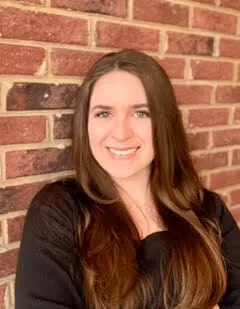
- Guest
- Dr. Maddy Cline
- Credentials
- PT, DPT
Discussion Details
In this episode of the Spotlight Series, we sit down with Maddy Cline, PT, DPT, to learn more about her journey into physical therapy, the experiences that shaped her as a clinician, and her passion for helping patients feel seen, understood, and empowered throughout their recovery.
Topics discussed include:
- How Maddy became interested in physical therapy
- Early experiences that influenced her approach to patient care
- What patients can expect during their first visit
- Her overall philosophy toward healing, movement, and recovery
- Building trust and helping patients feel comfortable and supported
- Her passion for working with individuals with hypermobility and Ehlers-Danlos Syndrome (EDS)
- Why hypermobility patients are often misunderstood or overlooked
- Encouragement and hope for people navigating chronic symptoms and complex conditions
- How physical therapy can help patients regain confidence and improve quality of life
Whether you’re a current patient, considering physical therapy, or simply want to learn more about the people behind, this episode offers an encouraging and personal look into Maddy’s story and approach to care.
Full Transcript
Dr. John-Mark Chesney: Welcome to the Stay Healthy Knoxville podcast. Uh today I’m excited to um interview Dr. Maddy Cline. Dr. Maddy Cline is doctor of physical therapy. She received her doctorate from South um College um here in Knoxville. And uh she is a graduate um from the University of Tennessee here in Knoxville as well. uh prior to receiving her doctorate in physical therapy um she’s actually kind of dual um credited she was went to school for a physical therapy assistant um also from South College and practiced uh for seven years as a physical therapy assistant and then decided she wanted to go back to school uh and um to get her doctorate in physical therapy is now practicing as a physical therapist here uh with um us at Simply Physio. Uh, so I’m excited about having Maddie on the show today where she can uh share some of her uh her expertise with us and her background where we can get to know her a little bit more. So, welcome to the show uh Dr. Maddy.
Dr. Maddy Cline: Thank you.
Dr. John-Mark Chesney: You’re welcome. Well, uh we always like to get started with um the story kind of behind the story of how you got even interested in the field of physical therapy. What drew you in? You mind taking us back and telling us a little bit how your journey began?
Dr. Maddy Cline: Yeah. Um, so I had been grown up in sports my whole life and just I was really interested in I knew something kind of like that. So athletic training, whether it be that or just personal training and then um it kind of grew into more of a rehab interest whenever my one of my grandmothers was diagnosed with Guillain-Barré. And so, um, her function kind of declined in a matter of a week and she was on a vent and, um, she had a really long recovery process, but I just got to witness everything they did with her and rehab and just ways they could kind of help build her strength back up and get her function back and get her more independent and and I just was inspired and that’s kind of what led me to the PT field.
Dr. John-Mark Chesney: Yeah. How old were you when when that was happening?
Dr. Maddy Cline: Uh, I was probably going into high school.
Dr. John-Mark Chesney: Okay.
Dr. Maddy Cline: Like high school age.
Dr. John-Mark Chesney: Okay. So, we’re in that was really your first introduction to the field through your grandmother’s Yeah. Yeah. She PT.
Dr. Maddy Cline: Uh, yeah. She was in impatient rehab for a while. So, I’d go visit and see her doing her exercises and stuff. And just seeing from where she started to where she got to at the end was such a vast difference. And I was just really inspiring.
Dr. John-Mark Chesney: Yeah. Yeah. Nice. I remember I had a very early on my my career had a Guillain-Barré case. Um and yeah, you mind explain to our audience maybe just very quickly kind of what that’s like?
Dr. Maddy Cline: Yeah. Um so Guillain-Barré is kind of like um an autoimmune uh response. Your body just kind of starts to attack its own nervous system and then um from uh away from your body and in it kind of loses function. So, she one day, they’re not sure if it happened from a virus she had or what, but she just was feeling sick, went to the doctor, they gave her some type of medication, and then she went back home, and then all of a sudden, she couldn’t get out of her recliner. She couldn’t move her limbs. So, they ended up taking her to the the hospital and progressed from there. But, yeah, it’s very quick, very, very debilitating.
Dr. John-Mark Chesney: Yeah. A slow recovery process.
Dr. Maddy Cline: Yes.
Dr. John-Mark Chesney: very scary for people who don’t know what’s going on.
Dr. Maddy Cline: Sure.
Dr. John-Mark Chesney: Well, uh, were there any other kind of confirmation? So, it sound like that was your introduction to the field and, um, at least sparked the interest. Were there any other confirming, you know, things before you decide to really, uh, set your sights on becoming a therapist?
Dr. Maddy Cline: Um, that was really the main one. you know, I went I went through undergrad and kind of already knew exactly what I wanted to go for and and that that was really it.
Dr. John-Mark Chesney: Okay. Um nice. So, um so when you were, you know, um deciding as far as your route, you know, you first landed on physical therapy assistant, so went to school at South College um uh here in Knoxville, correct?
Dr. Maddy Cline: Yep.
Dr. John-Mark Chesney: Okay. And you grew up here in Knoxville?
Dr. Maddy Cline: I did. Yeah, I grew up in Powell.
Dr. John-Mark Chesney: In Powell. Okay. Yeah. Um so um so yeah, local very local experience. Um um so yeah, so you first decided uh to get started as a physical therapy assistant. So tell us about kind of that that journey.
Dr. Maddy Cline: Yeah. So, um, well, I knew I wanted to go to PT school and I think, um, I shot myself in the foot on that one because I, um, only applied to places close to home and then I ended up not getting in. So, then I, uh, decided, okay, I’ll do PTA for a little while. And I was set with that. I was happy. And then I got to the point where I was like, okay, you know, I could still do this. I can still go back. So, um, I kind of ended up just retaking some courses and then reapplying and luckily got into one right here in Knoxville. Didn’t have to travel and that’s what led me to bridge from PTA to PT, DPT.
Dr. John-Mark Chesney: Okay. Yeah. Um, so, uh, so you have been a therapist for a while. Um, started, I think you said in 2018 as a physical therapy assistant, right? Um so I would be interested in um even that first year kind of take us back in that that first year of treating patients. Um was there anything that you maybe believed like as a a younger clinician that you think differently about now?
Dr. Maddy Cline: Uh yeah, I think um I definitely feel like I was in the mindset of okay, we have to do things this way or um I guess I really didn’t have the autonomy like I do now to kind of treat my patients like I can or how I see fit. Um it was more about PTA is um you know following the plan of care and and doing what you can and yeah
Dr. John-Mark Chesney: maybe for our audience too if um help explain the difference between a PTA and a PT since you’ve you’ve been um your foot in each you know camp and now you’re you know have your doctor in physical therapy.
Dr. Maddy Cline: Yeah. Um so for DPT doctor physical therapy um you’re kind of seeing the patient very first. you’re um getting to know them, setting a plan of care, um setting goals, seeing what their goals are. Um and and from there, you’re kind of following them throughout treatment, changing the plan of care as you see fit or as as things change, if improve or decline, however the patient’s going. For PTA, um you still follow that same plan of care, but you follow the plan of care that your therapist has set for that patient. um you know you can progress the exercises um you have that knowledge, you have the experience to be able to understand what the the patient needs in that session and um but still you do have to follow that plan of care that the therapist has set for that patient.
Dr. John-Mark Chesney: Yep. Um, and I think it says a lot about you having um, you know, made that transition from physical therapy assistant to a physical therapist because that’s not um, I would say the typical route that someone goes. Um, you know, it’s not required. Um, it’s it’s not like you get your masters and then your doctorate. um um as far as the the physical therapy assistant is not required, you know, first to do before becoming a therapist. So um so so you kind of took a a little bit um uh longer path or just a different path to get there. But yeah, um yeah, even as like as you were what were some of the points that you really recognized that no, I want to go back to school because it’s um it’s still like the same amount of additional schooling. So you as far as in therapy school, you know, if you combine your doctorate from physical therapy school plus PTA school, it’s a lot of schooling um and a lot of sacrifice that you’ve made. Um but what was it in particular that you were like, “Okay, I really want to kind of rededicate um you know, this time, investment um and money um into becoming a full physical therapist.”
Dr. Maddy Cline: Yeah. I I did not have it in my game plan at all originally. I was done with school. I didn’t want to go back. I was just completely tired of doing school and studying. And then um and then I worked for you know six, seven years. And then um just some of my best friends were doctors of physical therapy. And so they kind of inspired me, pushed me to reopen that door and think about it. And then um I think I just got to a point in my career where I was just kind of plateauing and I just really wanted that autonomy for my patients to be able to, you know, treat them as I saw fit and not have to constantly um have somebody supervising me and um stuff like that. So that really just kind of pushed me to the to the point where okay, I was like, “Yeah, I need to this is what I need to do.” So, um I went back and um and here we are.
Dr. John-Mark Chesney: Yep. Here we are. Um well, was is there any specific patient success story uh that really stands out to you? Whether it be um I know you’ve treated a lot of patients over the years, whether it be as a um as a physical therapy system or a physical therapist, but um kind of um and and that impact that just your mind kind of u goes back to
Dr. Maddy Cline: Yeah. Um, one that I often think about, um, I did a rotation, um, here in Knoxville in a outpatient setting and, um, the we just had this patient who was very shut off. She kind of felt like this was the last straw, like therapy wasn’t going to help her. She was just here cuz her doctor sent her here. Um, and you know, my I could tell my CI was pretty discoura my clinical instructor was pretty discouraged, too. Like she she really wanted this patient to get better and she just wasn’t sure if she was going to. And then um the patient really stuck to therapy, did her homework, um came in at her scheduled appointments, and then um one day she walked into the clinic and she, you know, usually she kind of likes to be away from everybody else and like kind of um in her own little treatment section. And she came just busting through the front doors one day and was just ecstatic and, you know, cheering herself on and loud and she was like, “I just wanted to tell you like I’m seeing improvement and I she was just so thrilled and then my CI was thrilled and then I was thrilled and so it was nice to just kind of see her break out of her shell and really realize like, yeah, I can get better. I can do this.” and just see her whole um mindset and attitude just kind of shift from closed off and to just so excited about the progress that she made?
Dr. John-Mark Chesney: Yeah. I mean, reflecting back on that case, anything in particular that you feel like were key key moments or things that happened that allowed her to maybe overcome?
Dr. Maddy Cline: Um I’m not sure. I um she was she had a pretty traumatic past. She was uh there for some um more sensitive diagnosis and uh and I think you know once she realized she was safe and that we took her seriously and that we were there to help her I think and then she stuck with the exercises I think that is really what just kind of solidified the progress.
Dr. John-Mark Chesney: Yeah. Yeah. Yeah. And I think we see that, you know, fairly common is that um a lot of injuries, there’s more to them than just the surface. Um right, like you know, somebody dealing with chronic back pain or um jaw pain or uh just kind of you name it, like it can affect them on a deep level. um when it starts almost changing who they are because what they can or can’t do and how they interact you know with their peers or with their family you know because of that. Yeah. Um but that’s kind of the joy of I think you know seeing I’m sure you know you know cases like that that’s oftentimes the the real impact that you make you know is is when you’re restoring you know those u those really key important almost identity you know pieces you know to them or kind of things that have taken away from the essence of who they really are.
Dr. Maddy Cline: Yeah. I like that. Yeah. treating the whole person, not just what they’re there for.
Dr. John-Mark Chesney: Yeah. Well, um that’s kind of a good segue, if you will, into, you know, um well, every every therapist, you know, obviously there’s a lot of similarities between, you know, just physical therapy and physical therapist, but there’s also, you know, unique differences from um your personality, your training, your education, your experience. Um I would be interested just to hear about how would you describe your like treatment philosophy um certain things that you’re looking to do um that you really you know value or prioritize um and then we can kind of go from there.
Dr. Maddy Cline: Yeah. Um I think it goes along with uh working at Simply Physio and just the philos philosophy behind this clinic alone is that we can really just give indiv individualized care being one-on-one um not having texts or anything like that. Like we really are just able to spend 100% of our time with the patient. Um and that is one of the reasons why I chose to work here. But um that’s just different conversation. Um but yes, I really, you know, just being able to spend the whole time with my patient, get to know them. Um just creating a safe environment, letting them know that, you know, they they can talk to me. We we um therapy is much more about just pain and exercise. It’s a lot of getting to know the person and getting to know what works for them. What works for them might not work for somebody else and vice versa. Um, so I think that’s that’s a huge part of it is just building that trust and really getting to know the person and and just breaking down like what their goals are. Might not be this the same therapy goals that I have set for them, but their goals of therapy are uh really important too.
Dr. John-Mark Chesney: Yeah. Um, and you mentioned just the environment, you know, that we treat in here at Simply Physio as far as, you know, giving undistracted care, treating patients. Um, you know, just one patient at a time. Uh, because most of your career it was in a more typical setting. Is that correct?
Dr. Maddy Cline: Yeah.
Dr. John-Mark Chesney: Um, so you’re you’re seeing you’re kind of juggling multiple patients at once. What kind of impact has that made kind of since transitioning, would you say, in your care? like um has that has that have you adjusted in certain ways being able to have all your attention on a patient?
Dr. Maddy Cline: Um yeah, I guess you just you make adjustments without really thinking about it. I think I think um in that other type of setting, it’s more about survival mode and you’re trying to do the best for your patient that you possibly can, but then there’s days when you leave and you just feel drained and you’re just like, did I help anybody today? I’m not really sure. And then now just having all my attention on one person and not having to constantly be listening to what’s behind me or what’s going on on the other side of the room or, you know, hollering at somebody from the other side of the room. It it’s it’s just kind of really it it helps you create that calming environment and Yeah. and um just just yeah it was a transition just on its own just not even having to deal with all that and uh that kind of just fell into place.
Dr. John-Mark Chesney: Awesome. Um what um you know for our patients what would you say um that patients often misunderstand about recovery? Any anything that you find in particular?
Dr. Maddy Cline: Um, sometimes I feel like people get hung up on pain alone. Um, and I know, you know, most people that come to therapy have pain and that’s why they’re they’re here, but um, I don’t think that’s the most important part all the time. Yeah, I don’t want you to have pain and I want to get rid of your pain. But, um, I think that, um, just because your pain is gone doesn’t mean you’re recovered. You really got to make sure you you’ve that’s just the foundation you then you have to strengthen on top of that and get get you functionally where you need to be. It’s not all about pain.
Dr. John-Mark Chesney: Yeah. Yeah. I think that’s the key. I mean pain is obviously what brings people in. It’s a strong motivator, you know, and if it serves that purpose, it’s done a good thing. Um, you know, to bring somebody into treatment to alert them when something is wrong. Um, but it’s just, you know, it’s the alert system. Just because the alert system has gone off doesn’t mean the the thing’s actually been corrected. Um, right. So, yeah. Um, but yeah, that’s um I think that’s always, you know, a um an educational, you know, piece and treatment of like, okay, you’re doing really good, but we we need to keep our foot on the gas here because this is where it really it makes a difference in, you know, the rubber meets the road of of making longl lasting changes. Yeah. So, um, all right. When, um, kind of going into maybe, um, thinking about a patient coming in and working with you, uh, for their first session or what we call their evaluation, um, when when someone walks into the room for the first time, um, you know, oftentimes people can be filled with a lot of different emotions. Um whether it be uh unknown like not knowing what’s going to happen um maybe some doubt maybe some skepticism um you know can this person really help me some fears you know there can be a lot going on that first um you know that first appointment um what are you uh what are you hoping you know that you’re able to um kind of accomplish that first appointment as far as helping even just how they feel about like leaving that first appointment. What what’s kind of some of your main goals in that aspect?
Dr. Maddy Cline: Yeah, I um so like I said, I really like to try and build that foundation first, just getting to know the person. Um you don’t have to get right to it right when they walk through the door. You know, reassure them like, I’m here for you. I’m really interested in, you know, helping you reach your goals, um help you get better. Um, but I just want them to, you know, feel encouraged and supported and um, not like I’m just another doctor just trying to tell them what they need to do to get better. Like I’m I’m here. I’m part of their team. Um, we’re and like I said, like the the goals of therapy that I set for them might not be what’s important to them. So, I also try and make goals based on what they think is most important to them and getting back to doing. Um, I think that’s really important. And it shows them that I do care about why they’re here and what they want to get back to. It’s not just let’s make this move better. Let’s get this stronger. It’s about what exactly why are you here? What do you need to be able to do whenever therapy is all said and done?
Dr. John-Mark Chesney: Yeah. If you kind of reflect back on let’s say just um just an evaluation or just like that first session with a a patient um what would you say kind of the main boxes you’re trying to check? It’s like okay that was like that was a good we had a good first session that was um a successful evaluation first session. Are there certain things in particular that you’re hoping to really accomplish other things in that that first evaluation with the patient?
Dr. Maddy Cline: Yeah, I would say some of the um the ones that I feel most accomplished or um is when somebody’s coming in, not necessarily if they have just some incredibly high pain level at the time, but um you can just kind of see that pain just really wears and tears on people emotionally as well. So, um you have people that come through the door and you can just tell they’re drained. Um this is like not where they want to be even though they know they need to be here. Um, and then you really just let them know like, “Hey, we’re here for you.” Um, we’re going to get to the bottom of this. I’m going to do the best I can to help you meet your goals and reduce this pain. And you just talk them through it, encourage them, give them hope, and then by the end of the treatment session. It’s awesome whenever they are leaving smiling and excited to come back and you know just thrilled that their session went the way it did and not you know coming in here bummed out and leaving even more bummed out.
Dr. John-Mark Chesney: Yeah. Um well perfect. Well um want to shift a little bit here our conversation that you have some um kind of special areas of interest. you obviously, you know, help um, you know, a wide gamut of injuries and individuals, but you also have, um, some areas that you’ve had some specialized training um, in particular. Um, one of those um, is um, hypermobility and um, EDS or um, Ehlers-Danlos syndrome. Um, so I’d love for you to maybe speak a little bit to what um how that specialty or interest developed and kind of what you’ve done in that in that that field, if you will.
Dr. Maddy Cline: Okay. Um, yeah. So in my last career as a PTA, I was working closely with um a doctor of physical therapy who had started gaining interest in it. And um she was more of a ped therapist, but um she was seeing uh the EDS population and so I was kind of um seeing them be treated and kind of learning alongside of her. And then she moved to another state. So then I was like, “Oh, well, somebody’s got to treat these people.” So I ended up taking some um continuing ed courses on it and just was learning how how complex these cases can be. and I was also doing um aquatic therapy at the time and so that kind of brought more of the hyper mobile population in. So I just uh took it upon myself to take some of the courses to learn more about them and that’s how I first got interested in it. And then um once I transitioned to DPT um in school, I connected with some of my professors who lived out in Portland and um Portland, Oregon and they found me this awesome clinic that specialized in Ehlers-Danlos syndrome and hypermobility. And so I went out there and did a clinical rotation, learned a ton, still a ton to learn, but um it just really solidified um my interest in that certain population and um that’s why um I’ve just kind of grown that case load now.
Dr. John-Mark Chesney: Uh yes. And um so you were so you did a a full clinical rotation at a clinic that that’s really all it was pretty much what they saw, correct?
Dr. Maddy Cline: Yeah, they had some therapists that were specialized in other things, but um my and my clinical instructors probably saw 90% 90 95% of their case load was hypermobility.
Dr. John-Mark Chesney: Yeah. Um so how do you maybe approach that type of patient differently than um somebody who does not have a hypermobility type condition?
Dr. Maddy Cline: Yeah, it’s um it’s kind of hard to answer. They’re um each EDS and hypermobility patient are very different compared to themselves and um so it’s just kind of um it’s it’s more about really getting to learn the person. Um very systemic. So there could be it’s more about uh it’s much more than just um joints and muscles and tendons and ligaments. It’s uh about full body really. And so you really have to understand and interview the the patient um from all aspects, not just asking them what joint hurts the most that day. Um it it really is about, you know, the vascular system. It’s about their gut. It’s about everything in their body because Ehlers-Danlos has to do with um your collagen and your connective tissue and with when you break down the body it’s it’s mostly connective tissue and so um it your symptoms can be just vastly different and it could be dayto-day too like one day things could be feeling great and then something else doesn’t feel great and so you you really do have to kind of pivot and transition um often and a very much um um trial and error. If this doesn’t work, that’s okay. We’ll modify it. Things like that.
Dr. John-Mark Chesney: Um are there um any common struggles that patients with hypermobility um experience before really finding answers?
Dr. Maddy Cline: Yeah, I think um the hypermobility population is just very um misunderstood and um there aren’t a ton of clinicians that uh understand EDS and HSD um hypermobility as a a whole. So, they just um you know, they do the best they can, but they just tell them, you know, okay, go strengthen or um maybe if that’s tight, go stretch a little more. And um uh really that’s that’s just kind of treating symptoms. It’s not um specialized individualized care that these people need. And so they just kind of leave um um discouraged and you know they’ve already they’ve already tried all the suggestions and everything. and they just they just uh really need more people, you know, to back them and more people to know what’s what’s really going on with them and how to treat them.
Dr. John-Mark Chesney: Awesome. Well, um with um one other area that you’ve u you know has some experience in and specialty is uh pelvic floor and and continents as well. Correct.
Dr. Maddy Cline: Yep. I did a clinical orientation as well with um pelvic health.
Dr. John-Mark Chesney: Okay. Um and so are there um you know with that experience too, how do you like to incorporate that with do you find that’s just a very specific type of patient or do you incorporate some of those tools like from that experience with even your EDS or other patients? Has that influenced your treatment approach?
Dr. Maddy Cline: some. Yeah, I think um you can kind of um see sometimes too like if you have patients who just, you know, they’re not progressing like you would expect them to and you’re focusing on strengthening and stabilizing and body awareness in some areas and they’re just um and something’s not progressing like you would hope they would. Um, I think the pelvic floor could have a lot to do with that because it is, you know, part of your core and you and a lot of your function during the day. And so I think addressing that with especially the hyper mobile population can be very beneficial to them. Um, but not only that, just I mean um most people who come through our door I feel like could um benefit from help with that um even though they don’t realize it.
Dr. John-Mark Chesney: Yeah. Um, awesome. Thank you for sharing, Dr. Maddy. Um, was, uh, a little changing gears here as far as, um, to let our audience and listeners know like are there any interest, um, outside the clinic in particular that you have? U any hobbies or kind of what keeps you kind of keeps you going?
Dr. Maddy Cline: Um, I used to play as many sports as I possibly could until I tore my ACL two years ago. But now I kind of keep it more to hiking and um really like to get on the water on the weekends, so boating, paddle boarding, kayaking um if it’s sunny out. Uh and then I just got a new dog. So I uh about month and a half ago, so we’re still getting used to that. um having so I’m sure it’ll be a fun summer. We’ll nice we’ll get him outside.
Dr. John-Mark Chesney: If the dog will like the water, I’m hoping.
Dr. Maddy Cline: I’m hoping.
Dr. John-Mark Chesney: Yeah, we uh we have What kind of dog?
Dr. Maddy Cline: Boxer.
Dr. John-Mark Chesney: A boxer. Okay.
Dr. Maddy Cline: Yeah. So, fingers crossed he likes the water.
Dr. John-Mark Chesney: I’d like to get him out there. We’ll see. You’ll have to see if you can get him up on the the Did you say you do paddle board?
Dr. Maddy Cline: Paddle boarding. Mhm. Yeah.
Dr. John-Mark Chesney: Too. Yeah. if he can stay on the paddle board with you.
Dr. Maddy Cline: Yeah, he’s pretty clumsy still. He’s still pretty young, so he’d probably knock me off.
Dr. John-Mark Chesney: Well, any other fun fact? Uh maybe that things that people may not know about you that you like to share?
Dr. Maddy Cline: I always tell my friend, I’m like, “Hurry, quick, give me a fun fact.” Because they can’t ever think of anything. Um um um I was on a kickball team for six years.
Dr. John-Mark Chesney: Okay.
Dr. Maddy Cline: Um that’s a fun fact, I guess. I don’t know.
Dr. John-Mark Chesney: Was that fun?
Dr. Maddy Cline: Kickball?
Dr. John-Mark Chesney: Yeah. I’ve never been on a kickball team.
Dr. Maddy Cline: Kickball, you know, in in, you know, grade school and um Yeah.
Dr. John-Mark Chesney: But not not beyond that. Well, fun. Well, um, in closing, I like to ask, uh, three questions just to encourage people to go out and explore new things. Um, and so the first would be, what is, uh, your favorite restaurants, um, around around town,
Dr. Maddy Cline: man, that’s a tough one. There’s so many good ones. I think it depends on what type of food you’re wanting that day, but I’ll I’ll just say Savelli’s because that’s where I go for my birthday every year.
Dr. John-Mark Chesney: Okay. Where’s that? I don’t know if I’ve heard of that one.
Dr. Maddy Cline: Um, it’s down by West High School. It’s a little Italian restaurant. Family-owned Italian restaurant.
Dr. John-Mark Chesney: Okay. Nice.
Dr. Maddy Cline: That’s really good. I get the black and scallop Alfredo every year for my breakfast.
Dr. John-Mark Chesney: Okay, that sounds pretty good, too.
Dr. Maddy Cline: Yeah.
Dr. John-Mark Chesney: Um, and then what would you say a favorite spot to enjoy outside around kind of the Knoxville area that you like to go frequent?
Dr. Maddy Cline: Um, well, it’s the dog park now, but um we um I do like the cove. The cove is pretty cool. There’s volleyball courts. You can walk the trails. Yeah.
Dr. John-Mark Chesney: Um over there. Very good.
Dr. Maddy Cline: Bike as well.
Dr. John-Mark Chesney: Yeah. And then you can take your paddle board out there. Yeah. Nice. A little beach there, too. Yeah. Gets busy, but Yeah. Um, and then, uh, what about, um, like a bucket list thing, something that you would like to do sometime in the near future that you haven’t had a chance to, to go do or experience uh, around Knoxville or kind of greater East Tennessee area? Anything that comes to mind?
Dr. Maddy Cline: Oh, no. I was not prepared.
Dr. John-Mark Chesney: Um, in Knoxville,
Dr. Maddy Cline: I do not have any trips planned.
Dr. John-Mark Chesney: Okay. Um, it could be even outside. I mean, maybe it’s a little bit of a distance to get to.
Dr. Maddy Cline: Yeah. A goofy one. I remember. Um, I just ran a mud run with some of my friends. We were on a farm and we were joking as we were running through the mud that the next obstacle was going to be milking a cow and cuz there were some cows right next to us. And I said, “Maybe I should add that to my bucket list.” Learn how to milk a cow. So, we’ll say maybe I’ll add that to my bucket list.
Dr. John-Mark Chesney: Nice. I’ve milked a goat before.
Dr. Maddy Cline: Oh, really?
Dr. John-Mark Chesney: Yeah. We used to have a goats growing up, had little pygmy goats. Yeah. And uh and occasionally the mother would um reject its newborn and say we or we try to help kind of get it going. But um but yeah, that’s the largest animal that I’ve milked. not a I haven’t I guess um graduated up to a cow level.
Dr. Maddy Cline: I don’t think I will. So yeah. Yeah. I was like I’m never going to finish this race because I’m not going to be able to do that. That is the obstacle.
Dr. John-Mark Chesney: Well um well yeah. Well, thank you for coming on the show on the podcast and um sharing your expertise and yeah, I’ll say Maddie is an excellent therapist. Um you’re lucky if you’re on her schedule. Her schedule probably stays the most full out of um out of anybody’s. I think that’s a testament to her patients who really like working with her and you know see the progress that she’s making with them. Um and so you’re yeah you’re lucky if you are on her schedule. Uh or if you’re looking to get on her schedule, you can, you know, contact us at uh Simply Physio um simply pt.com um and reach out if um you’d like um to um have um Maddie um be u your therapist or schedule an evaluation with her. So, uh but yeah, thank you for coming on the show, uh Dr. Maddy, and uh stay healthy, Knoxville.
Dr. Maddy Cline: Thank you.
Dr. John-Mark Chesney: You’re welcome.