
Weeks 1–2
Pain
Calm the pain down.
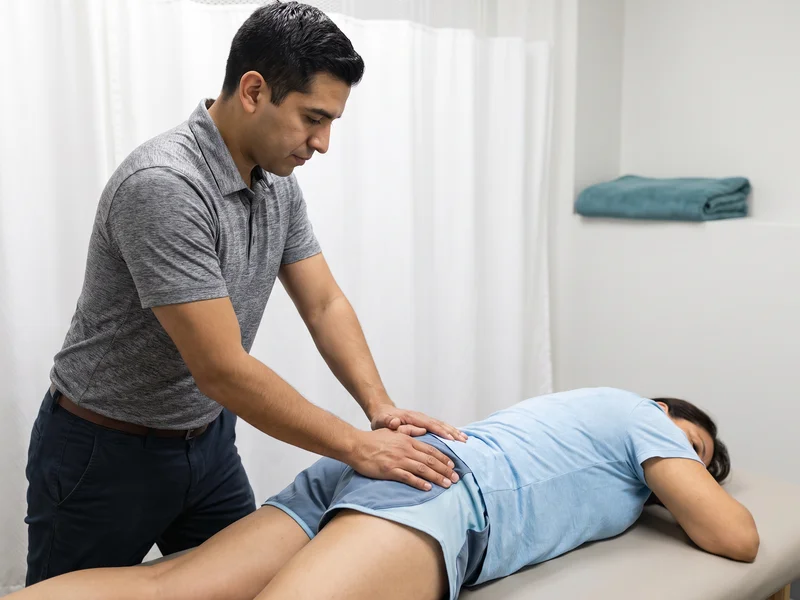
Hands-on care and a thorough evaluation start calming your nervous system’s overreaction to old pain signals, from your very first visit.
What We Treat
The pain that’s been part of your life so long you stopped mentioning it. It’s fixable, and it starts with a thorough evaluation, not just another way to manage it.
Sound Familiar?
Two or more? Keep reading.
Why It Happens
Chronic pain doesn’t follow the same timeline as a fresh injury. Somewhere along the way, your nervous system, your movement patterns, or an old injury that never fully resolved got stuck in a loop. It’s usually some mix of a few culprits: tissue that never regained its full strength. Movement you’ve avoided for so long your body forgot how to trust it. A nervous system on high alert from months or years of flare-ups.
None of that gets sorted out by just living with it. It takes a real, thorough evaluation to find what’s actually still driving your pain today. That’s why a generic pain management plan so often falls short: it manages the symptom, not the source. Find the real cause, and the fix gets obvious.
The Honest Truth
You’re the one everyone else leans on. Every week, someone just like you finally lets us help carry it instead.
How We Fix It
Every plan has an endpoint. Here’s what the four phases look like for chronic pain.
Weeks 1–2
Pain
Hands-on care and a thorough evaluation start calming your nervous system’s overreaction to old pain signals, from your very first visit.
Weeks 2–6
Prime
Targeted mobility work restores movement your body has been guarding for months or years.
Weeks 6–10
Perform
Progressive strengthening rebuilds capacity and confidence in the movements you’ve been avoiding.
Weeks 10+
Prevent
The daily routine you gave up gets tested and rebuilt before you’re cleared to go all-in: that’s the endpoint, not an open-ended string of appointments.
Every plan here starts with a real evaluation, not a guess: that’s the pattern patients come back and tell us about.
Rated 5.0 on Google · 553 reviews
Week 1: canceled more plans than she kept
Week 10: back to a full workday without a flare
Questions, Answered
Usually not as a first step, especially if you’ve already had imaging that came back inconclusive or unremarkable. Chronic pain often persists after tissue has technically healed, so another scan rarely gives a new answer. We start with a thorough, hands-on evaluation to find what’s actually still driving your pain today, and coordinate on further testing only if something specific points to it.
Yes, and in chronic pain, movement is often part of the treatment itself, not something to fear. Pain doesn’t always mean ongoing damage, especially months or years out from the original injury. The key is dosing the right movement for where you are, which is exactly what you get one-on-one with a Doctor of Physical Therapy, every visit.
We hear that a lot, and it’s usually because the plan before this one treated symptoms instead of the cause. Most patients feel meaningful change within 4–6 visits. A full plan runs through all four phases, Pain, Prime, Perform, and Prevent, typically over 8–10 weeks. You’ll always know which phase you’re in and what’s left, not an open-ended string of appointments.
Book Your Visit
Request a time and a real person calls you back, usually within two business hours. No phone tree. No ‘someone will reach out.’ Just a plan.
5 · 553+ Google reviews
Typical response: under 2 business hours
Step 1 of 5
That’s the hard part done. We’ll call during business hours to lock in your time. Most people are on the schedule same week.
Visit Us