
Weeks 1–2
Pain
Calm the system down.
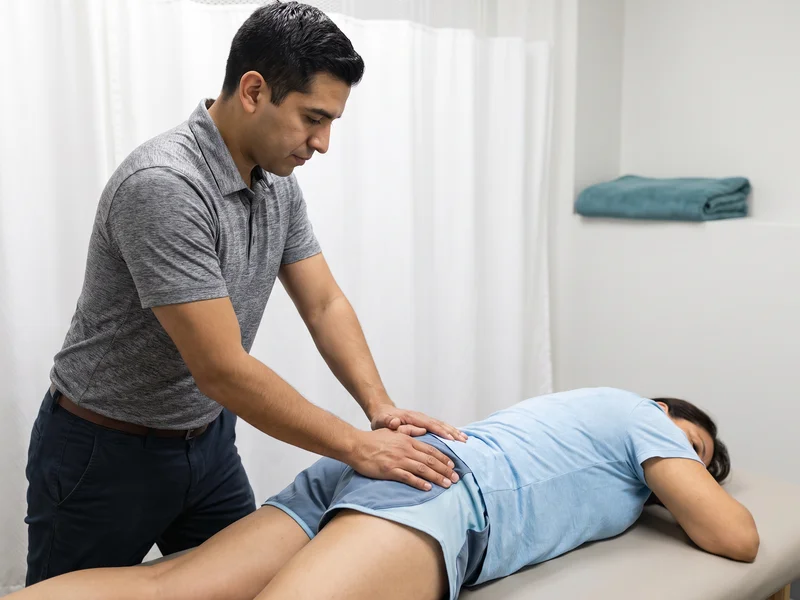
Gentle, hands-on techniques ease tension around the restricted area and begin restoring normal tissue glide, starting your very first visit.
What We Treat
The stomach pain that’s been checked out and cleared, but never actually resolved. The ache after surgery that settled into something more. It’s fixable, and it starts with a thorough evaluation, not a guess.
Sound Familiar?
Two or more? Keep reading.
Why It Happens
Pain that lingers after everything else has been ruled out doesn’t come from nowhere. It’s usually some mix of four culprits: internal organs that have lost some of their natural glide against surrounding tissue. Scar tissue from a past surgery or injury quietly restricting movement nearby. Nerve and connective tissue that’s become sensitized over time. And compensations elsewhere in your body that keep reinforcing the same restriction.
None of that shows up on a standard scan. It takes a real, thorough evaluation, a gentle hands-on assessment of how your organs and tissues move, to sort out what’s actually restricting you. That’s why medication or rest alone so often falls short: they manage the symptom, not the source. Find the real restriction, and the fix gets obvious.
The Honest Truth
Nobody regrets starting too early. Every week, someone in our clinic says they regret waiting.
How We Fix It
Every plan has an endpoint. Here’s what the four phases look like for persistent stomach, back, or post-surgical pain.
Weeks 1–2
Pain
Gentle, hands-on techniques ease tension around the restricted area and begin restoring normal tissue glide, starting your very first visit.
Weeks 2–6
Prime
Targeted manual therapy addresses scar tissue and restricted organs so nearby structures can move the way they’re supposed to again.
Weeks 6–10
Perform
Progressive movement and strengthening help your body hold onto the mobility you’ve regained under everyday load.
Weeks 10+
Prevent
Your triggers, foods, positions, activities, get tested under real conditions before you’re cleared to go all-in: that’s the endpoint, not just another appointment.
One-on-one time, a real evaluation, and a plan with an endpoint: that’s what keeps patients coming back and referring their family.
Rated 5.0 on Google · 553 reviews
Week 1: still guarding your stomach after months of pain nobody could explain
Week 10: eating normal meals again without bracing for a flare
Questions, Answered
Usually not, and most people booking with us have already been through extensive testing. If your scans and labs have come back clear but the pain hasn’t, that’s exactly the kind of case visceral manipulation is built for. We start with a hands-on evaluation of how your organs and tissues move, and if further medical workup ever becomes genuinely necessary, we’ll help you get it. You don’t have to wait on another test to start feeling better.
Yes, in most cases gentle manual therapy is safe well after the initial healing window, and it’s often exactly what post-surgical scar tissue needs. The techniques are gentle by design, not forceful, and a Doctor of PT will always clear the specifics of your history and surgery before starting, then progress at a pace your body tolerates.
Most patients feel meaningful change within 4–6 visits. A full plan runs through all four phases, Pain, Prime, Perform, and Prevent, typically over 8–10 weeks, depending on how long the restriction has been building. Either way, you get a plan with an endpoint: you’ll always know which phase you’re in and what’s left, not an open-ended string of appointments.
Book Your Visit
Request a time and a real person calls you back, usually within two business hours. No phone tree. No ‘someone will reach out.’ Just a plan.
5 · 553+ Google reviews
Typical response: under 2 business hours
Step 1 of 5
That’s the hard part done. We’ll call during business hours to lock in your time. Most people are on the schedule same week.
Visit Us