
Weeks 1–2
Pain
Establish where you’re starting from.
A thorough movement and balance assessment identifies your specific deficits and any pain, so the plan targets what’s actually limiting you.
What We Treat
Getting in and out of a chair. Reaching for a cup. The everyday movement a stroke changed. Progress is possible, and it starts with a thorough evaluation, not a guess.
Sound Familiar?
Two or more? Keep reading.
Why It Happens
A stroke interrupts blood flow to the brain, and the movement, balance, and coordination changes that follow depend on where and how significant that disruption was. No two recoveries look exactly alike, even after a similar diagnosis. What helps depends on your specific deficits: which side is affected, how your balance responds, which daily tasks have become difficult.
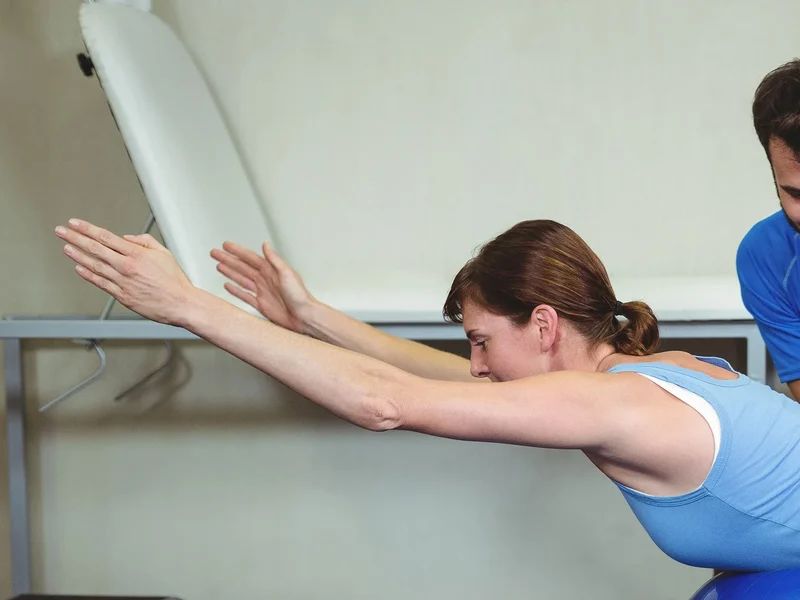
That’s why a real, thorough evaluation matters so much here. A Doctor of Physical Therapy assesses your specific movement, strength, and balance, one-on-one, every visit, and builds a plan around what your body is doing right now, not a generic protocol. Consistent, guided movement is one of the most well-supported ways to support your recovery of function and independence.
The Honest Truth
Nobody regrets starting too early. Every week, someone in our clinic says they wish they’d called sooner.
How We Fix It
Every plan has an endpoint. Here’s what the four phases can look like after a stroke.
Weeks 1–2
Pain
A thorough movement and balance assessment identifies your specific deficits and any pain, so the plan targets what’s actually limiting you.
Weeks 2–6
Prime
Guided, repetitive practice targets the balance, coordination, and basic movement patterns daily tasks depend on.
Weeks 6–10
Perform
Practice shifts toward the specific tasks that matter to you: walking further, standing from a chair safely, using the affected side more.
Weeks 10+
Prevent
A home program and ongoing check-ins help you maintain and keep building independence after formal visits wind down: that’s the endpoint, not just another appointment.
A thorough evaluation and hands-on care from a Doctor of Physical Therapy, every visit: that’s the reputation we’ve built it on.
Rated 5.0 on Google · 553 reviews
Week 1: needed a hand to steady each step across the room
Week 10: walking to the mailbox independently
Questions, Answered
You don’t need new imaging to get started. Your neurologist or hospital team has typically already done the scans that mattered for your diagnosis. If a physician referral is required by your insurance, we’ll help you sort that out. What matters most for your plan is a hands-on evaluation of how you’re moving and functioning today.
Yes. Consistent, appropriately-dosed movement is one of the most supported ways to help maintain and build function after a stroke. The key is dosing it safely for your specific balance and strength levels, which is exactly what a Doctor of Physical Therapy manages, adjusting the plan as you progress.
Inpatient rehab is focused on safety and the basics of getting you home. Outpatient therapy here picks up from there, one-on-one with a Doctor of Physical Therapy every visit, with a plan built around your specific goals: walking further, moving more independently at home, getting back to the activities that matter to you. You get a plan with an endpoint, so you always know which phase you’re in and what’s next, not an open-ended series of visits.
Book Your Visit
Request a time and a real person calls you back, usually within two business hours. No phone tree. No ‘someone will reach out.’ Just a plan.
5 · 553+ Google reviews
Typical response: under 2 business hours
Step 1 of 5
That’s the hard part done. We’ll call during business hours to lock in your time. Most people are on the schedule same week.
Visit Us